
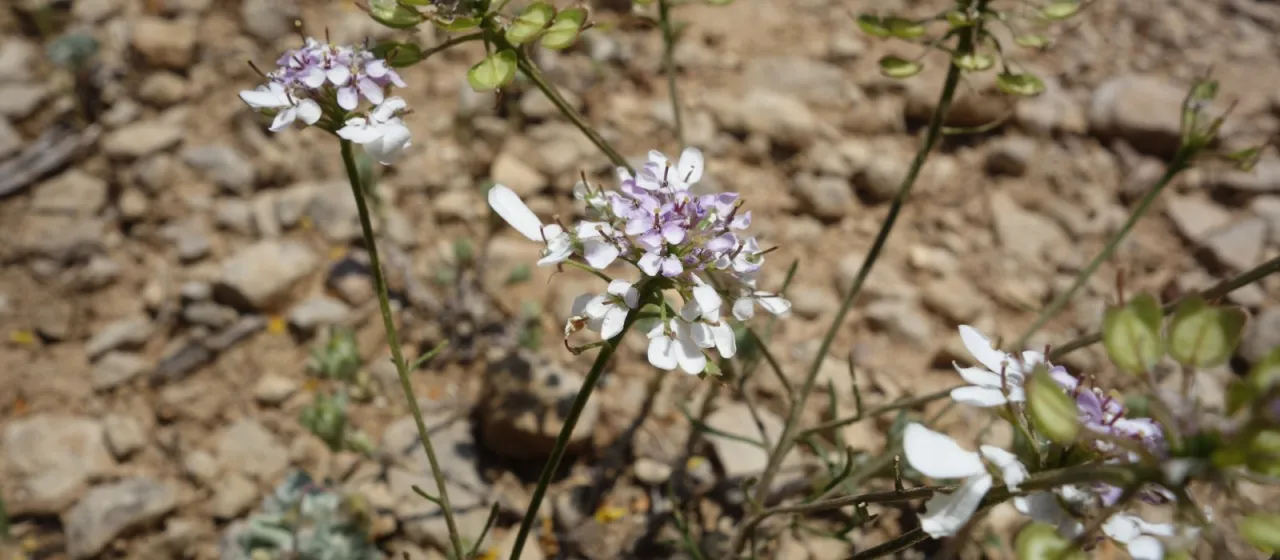
Description
Pinnate candytuft (Latin: Iberis pinnata) is an annual herbaceous plant belonging to the Brassicaceae family. Unlike its perennial counterparts, this species completes its full lifecycle within one season. It is widely recognized in horticulture for its dense, fragrant clusters of flowers and its ability to thrive in poor, rocky soils where many other garden plants would struggle.
The native range of this species is primarily located in Southern Europe and the Mediterranean Basin. It is naturally adapted to limestone terrains and well-drained slopes, which dictates its preference for specific soil conditions. Due to its adaptability, it has become a popular choice for gardeners across various temperate regions looking for low-maintenance, reliable floral displays.
Botanically, Iberis pinnata is characterized by its pinnately lobed foliage and upright stems that typically reach a height of 30 to 40 cm. The flowers are arranged in dense corymbs, which are often white, creating a brilliant effect when planted in masses. The plant's structure allows it to remain compact, making it an excellent candidate for various garden layouts.
Cultivation requirements are relatively straightforward. The plant demands full sun to produce the best blooms. The soil must be light, alkaline, and possess excellent drainage; heavy, waterlogged soils are detrimental to its health. Seeds are typically sown directly into the garden in early spring once the danger of hard frost has passed, ensuring the soil is sufficiently warmed.
The plant is highly versatile in agricultural and ornamental settings, including:
- Edge borders for pathways and driveways.
- Rock gardens and alpine xeriscaping.
- Mass plantings to suppress weeds.
- Container gardening and window boxes.
When it comes to plant health, the main pests are flea beetles, which can cause significant damage to young leaves. Diseases are primarily related to fungal pathogens resulting from high humidity or poor air circulation. To maintain a healthy display, gardeners should ensure adequate spacing between plants and avoid overhead irrigation to minimize the risk of mildew and rot.