
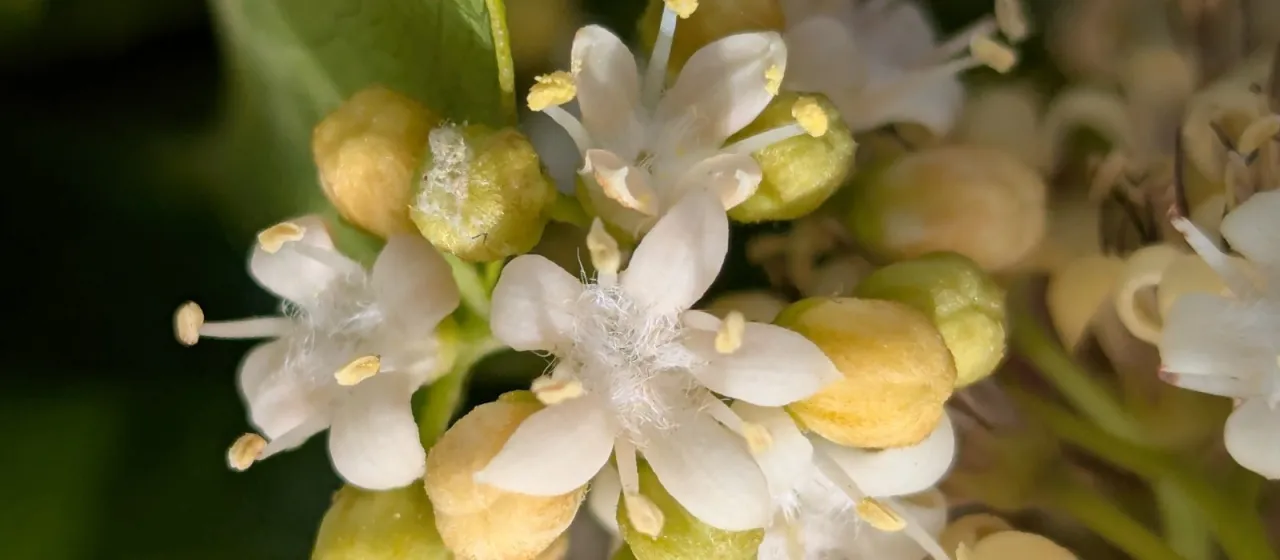
Description
Icacina oliviformis is a perennial shrub belonging to the Icacinaceae family, recognized primarily for its significant underground tuberous roots. This species is native to the tropical savannas of West and Central Africa, where it has evolved to thrive in environments with distinct wet and dry seasons. It acts as an essential drought-resistant plant in its natural habitat.
The plant is geophytic, meaning it stores nutrients and water in its large tubers, allowing it to survive prolonged dry spells. The aerial shoots are herbaceous and tend to die back during unfavorable seasons, regenerating quickly when conditions improve. This life cycle is a key biological adaptation that enables the plant to endure harsh environmental conditions where other crops would fail.
In terms of agricultural requirements, Icacina oliviformis prefers well-drained, sandy, or loamy soils. It is highly intolerant of waterlogging, which can easily trigger tuber decay. The cultivation process is generally low-input, requiring minimal fertilizers or chemical interventions, making it an excellent candidate for sustainable, low-intensity agricultural systems in arid regions.
The primary use of this crop is as a food source. The tubers are rich in starch, though they contain bitter compounds that necessitate traditional preparation methods, such as soaking or fermentation, to ensure they are safe and palatable. Beyond human consumption, the plant serves as a vital genetic resource for drought tolerance, which is increasingly valuable for agricultural research.
While Icacina oliviformis is robust, producers must remain vigilant against certain pests, particularly soil-borne larvae that target the tubers. Fungal pathogens can also pose a risk if the drainage is inadequate. However, with proper site selection and basic field management, this crop offers a reliable yield, providing food security in challenging climates where traditional starch sources are often unavailable.