
Description
Ichnanthus vicinus is a perennial grass species belonging to the Poaceae family. Recognized for its structural resilience, it serves as a functional forage crop in various tropical agricultural landscapes. The species is highly valued for its ability to maintain ground cover and biomass production under demanding environmental conditions.
Originating from South and Central America, the plant is primarily found in humid forest fringes and savannas. Its distribution spans across regions that experience distinct tropical weather patterns. Because of its native background, the plant has evolved to withstand high levels of precipitation while maintaining structural integrity during shorter dry spells.
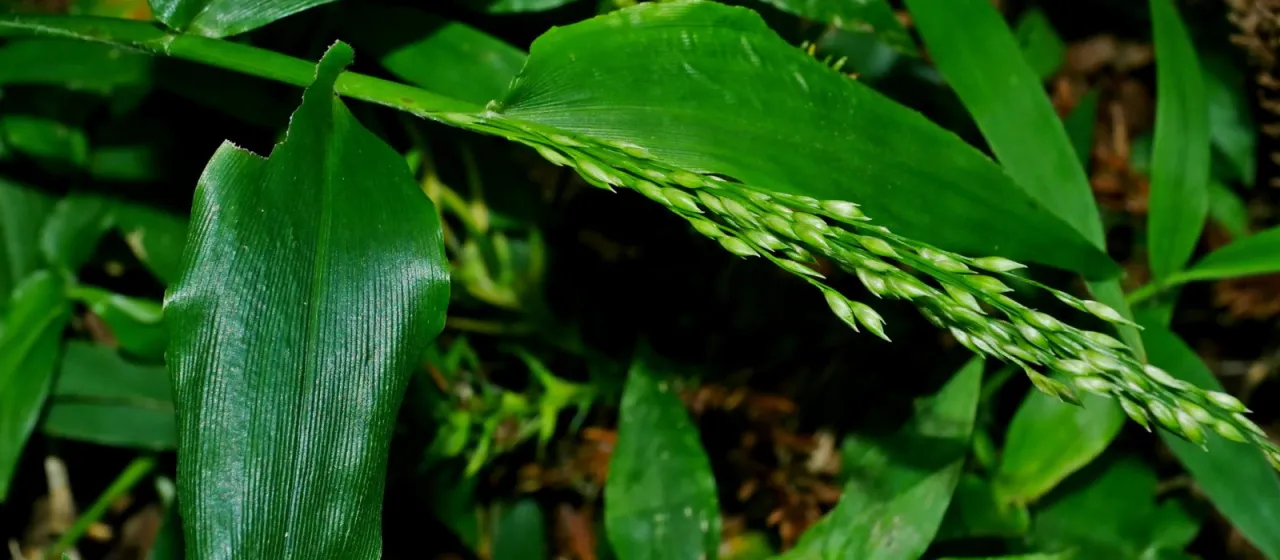
The botanical structure of Ichnanthus vicinus consists of sturdy, branching culms and lanceolate leaves that often feature fine hair-like structures. These adaptations are essential for water retention and protection against high transpiration rates. The inflorescence, typical of the genus, is a panicle that efficiently disperses seeds, ensuring the plant’s continued dominance in its ecosystem.
Regarding soil and climate requirements, the crop thrives in well-drained, acidic to neutral soil types. It is sensitive to waterlogging, necessitating proper land grading in agricultural settings. The recommended agronomic practice includes controlled grazing rotations to prevent over-exploitation of the root system and to promote healthy vegetative regrowth throughout the year.
Economically, this species is utilized mainly as a pasture component due to its palatability for livestock. Potential threats include various lepidopteran larvae and fungal pathogens that affect foliage density. Integrated pest management, focusing on early detection and maintaining soil nutrient balance, is the most effective approach for ensuring high-quality yield.