
Description
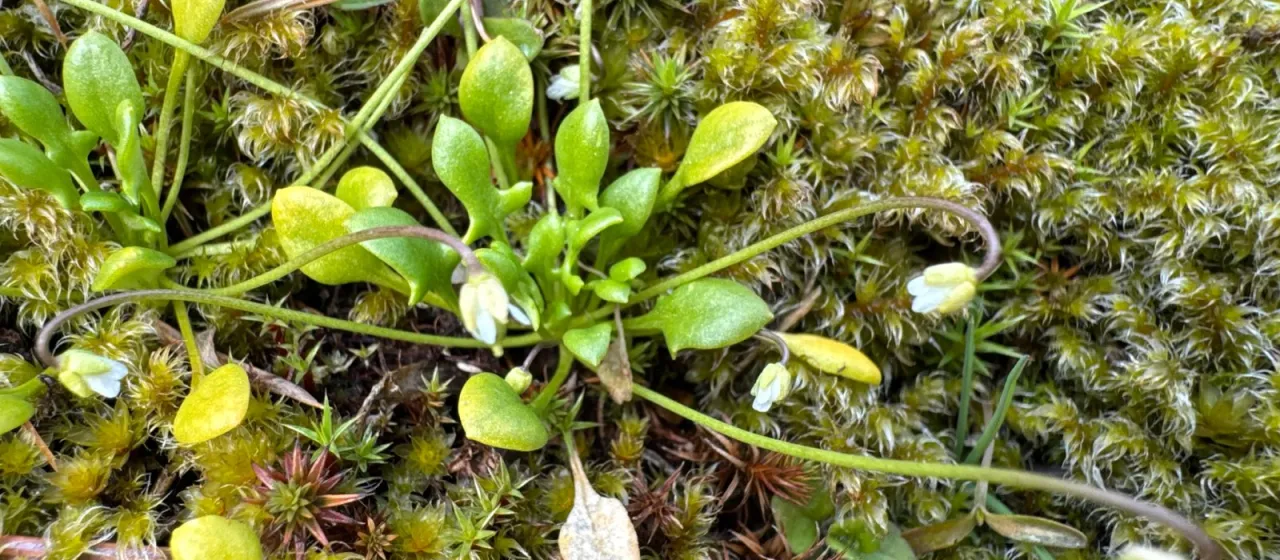
Idahoa scapigera is a small annual herb belonging to the Brassicaceae family. It is the only species within the genus Idahoa, making it a distinct botanical entity. While not a conventional crop for large-scale agriculture, it holds interest for botanists and researchers focusing on plant adaptation in arid environments.
The plant is native to the western regions of North America, including parts of Idaho, Oregon, and California. It is primarily found in open, rocky, or gravelly sites where soil depth is limited. Its natural range reflects an evolutionary adaptation to environments characterized by distinct seasonal moisture and prolonged drought periods.
Botanically, the species is defined by several key traits:
- A rosette of lobed leaves forming at the base.
- A leafless flower stalk emerging directly from the center.
- Small, cruciform white flowers with four petals.
- Silicles (short, flattened seed pods) that release seeds as they mature.
Cultural requirements involve replicating its natural habitat. The plant needs well-draining, gritty soil and full sunlight. Because it is adapted to ephemeral water supplies, moisture management is crucial. In an agricultural setting, over-watering is the most common cause of crop failure, as the plant is highly susceptible to root rot in waterlogged conditions.
Economically, Idahoa scapigera is primarily studied for its genetic potential. It serves as a valuable resource for identifying stress-tolerance genes that could eventually be introduced into related commercial Brassicaceae crops like canola or cabbage. Pests such as flea beetles are common, and in overly humid environments, the plant is prone to fungal pathogens affecting the foliage.