
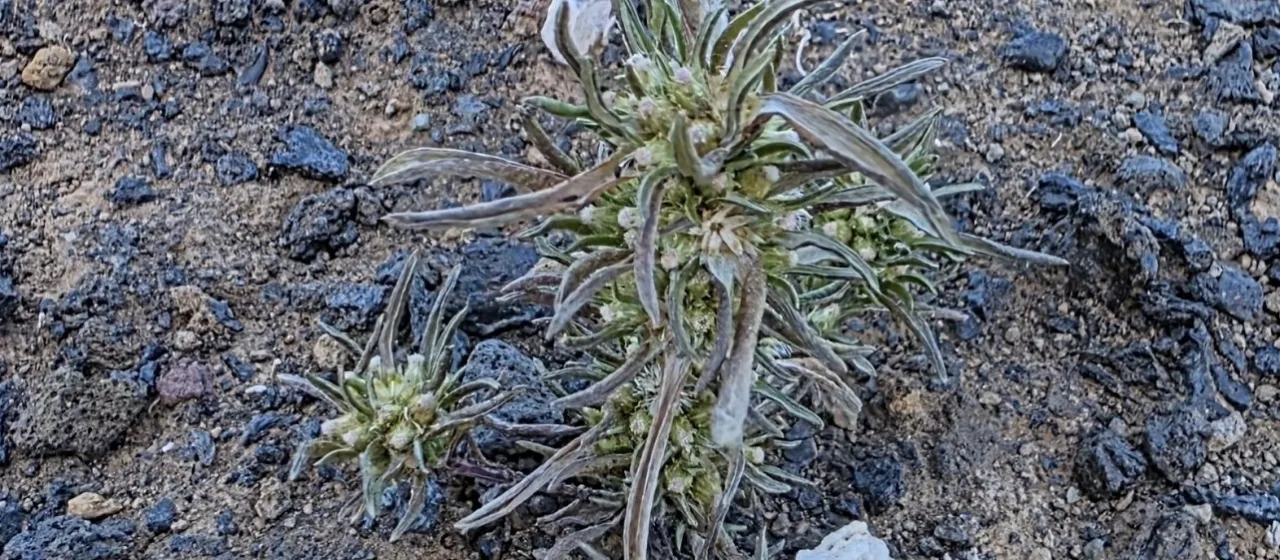
Description
Ifloga spicata is an annual herbaceous plant belonging to the Asteraceae family. Known for its remarkable ability to survive in arid, challenging environments, it is a significant species in the desert floras of North Africa and Western Asia, where it grows as a hardy pioneer species.
The plant originates from the dry regions bordering the Mediterranean, extending into the harsh landscapes of the Sahara and parts of the Middle East. It thrives in sandy or rocky substrates where nutrient levels are low, and water availability is extremely limited throughout most of the year.
Botanically, Ifloga spicata is distinguished by its greyish, pubescent foliage, which serves as a vital adaptation to intense solar radiation by reducing transpiration. Its flowers are arranged in compact, spike-like inflorescences. The root structure is relatively extensive in proportion to the aerial part, enabling the plant to tap into deep soil moisture.
Regarding agricultural requirements, this crop demands full sun exposure and excellent soil drainage. It is notably tolerant to soil salinity, making it a candidate for research in areas affected by land degradation. The plant shows high resistance to typical pests, likely due to its biochemical profile, which includes secondary metabolites that act as natural defenses.
The primary use of Ifloga spicata is found in traditional ethnopharmacology, where it is valued for its anti-inflammatory and antiseptic properties. Beyond medicinal uses, it is increasingly studied for its role in soil stabilization and dune fixation, contributing to sustainable land management in desertified regions.
- Extreme drought tolerance
- Saline soil tolerance
- Anti-inflammatory properties
- Adaptation to desert ecosystems