
Description
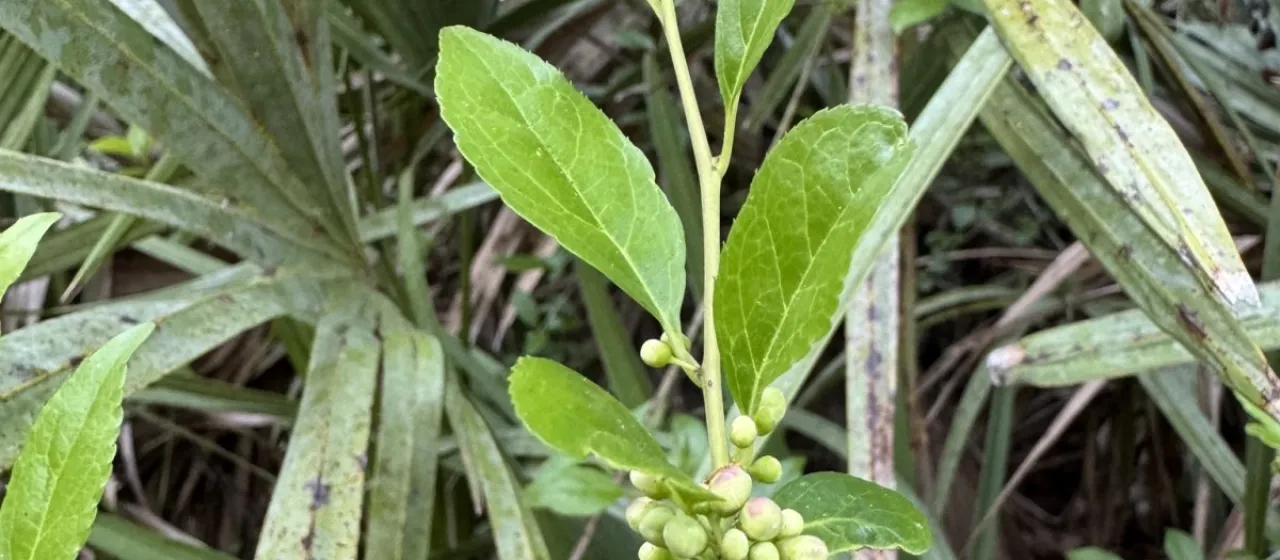
Carolina holly (lat. Ilex ambigua) is a deciduous shrub or small tree belonging to the Aquifoliaceae family. Unlike many of its more famous evergreen relatives, this species is noted for its ability to shed leaves, which provides a distinct aesthetic character in the autumn garden.
The natural habitat of this species is primarily located in the southeastern United States. It typically thrives in moist woodland environments, river floodplains, and sandy soils. This ecological background dictates its cultural needs, preferring locations that mimic its native understory environment with dappled sunlight.
Botanically, the species is defined by its elliptical leaves with finely serrated margins and inconspicuous flowers. These bloom in spring and eventually develop into vibrant red drupes. The fruits are persistent and serve as a significant visual highlight once the foliage has dropped, offering ornamental value late in the season.
Cultivation requires acidic, well-draining soil that is rich in organic matter. Proper moisture management is crucial, as the plant does not tolerate prolonged drought. In a garden setting, it performs best in sheltered spots that protect it from harsh desiccating winds, and it is hardy enough to survive in various temperate zones.
The primary use for Ilex ambigua is in ornamental landscaping, particularly for wildlife-friendly gardens. The berries are an essential food source for wintering birds, promoting local biodiversity. Common pests include typical holly-infesting insects like scale insects and aphids, which should be monitored through regular garden inspections.