
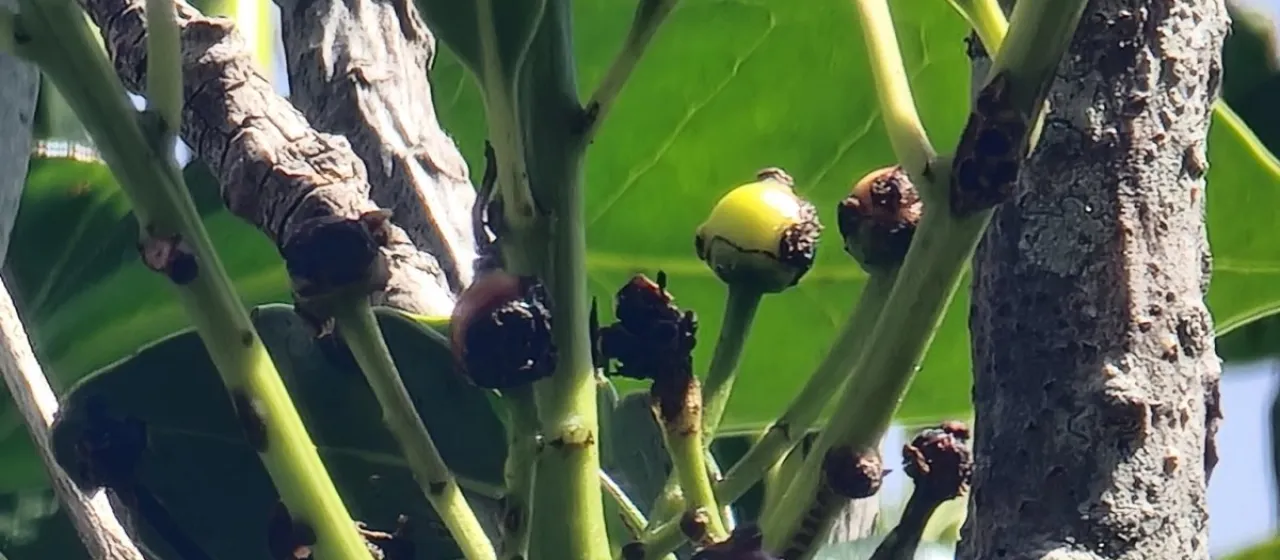
Description
Canary Holly (Latin: Ilex canariensis) is an evergreen tree or large shrub that belongs to the Aquifoliaceae family. Native to the Macaronesian region, specifically the Canary Islands and Madeira, it is a key species in the laurel forest ecosystems. In horticultural practice, it is appreciated for its glossy foliage and ornamental red berries, which make it a valuable addition to subtropical landscapes.
Botanically, the plant features dense, dark green leaves with an elliptical shape and smooth or slightly serrated margins. As a dioecious species, it requires both male and female specimens to ensure fruit production. The tree reaches significant heights in its natural habitat, but cultivated specimens are often pruned to maintain a compact, bushy shape suitable for ornamental use.
The climate requirements for Ilex canariensis involve high atmospheric humidity and mild temperatures typical of laurel forests. The plant prefers deep, well-draining, slightly acidic soils rich in organic matter. Agricultural management must focus on maintaining soil moisture without allowing waterlogging, as the species is highly susceptible to root decay when exposed to stagnant water.
Cultivation practices include regular irrigation during dry spells and the application of balanced fertilizers during the spring growth phase. Propagation is primarily performed through seed germination, which often requires cold stratification, or through softwood cuttings. Young plants require protection from intense direct sunlight and strong winds, which can lead to leaf scorching and premature shedding.
Economic and utility applications are primarily concentrated in environmental restoration and landscape architecture. The species is relatively robust, but producers must monitor for common pests such as scale insects and mites. Proper air circulation and sanitation practices are essential to prevent fungal outbreaks. The plant serves as an important food source for birds, further enhancing its value in biodiversity-focused projects.
- Prefers partial shade for optimal foliage health
- Requires acidic, well-drained substrate
- Sensitive to prolonged drought periods
- Needs consistent mulching for root protection
- Slow growth rate requires patient management