
Description
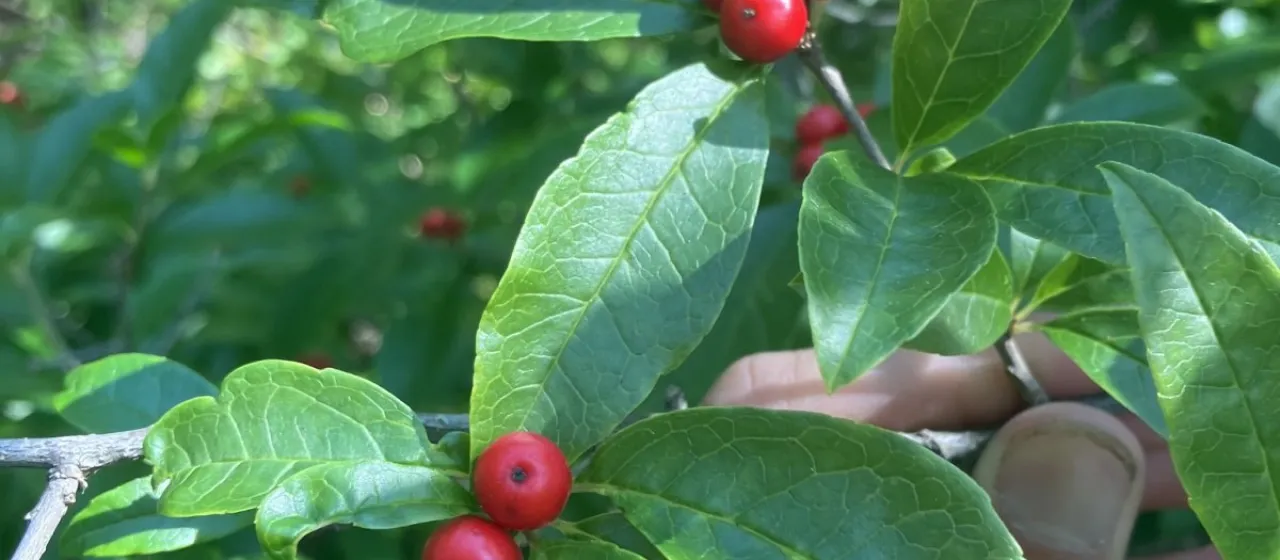
Smooth winterberry (Ilex laevigata) is a deciduous shrub that belongs to the Holly family (Aquifoliaceae). Unlike the more common evergreen hollies, this species sheds its foliage in autumn, revealing a beautiful structure and vibrant fruit. It is highly valued for its adaptability to moist environments and its seasonal color changes.
The plant is native to the eastern parts of North America. Its natural range is predominantly associated with wetlands, swamps, and boggy woodland borders. This unique environmental background dictates the horticultural needs of the species, as it thrives in conditions that would cause root rot or distress in many other ornamental shrubs.
Botanically, Ilex laevigata typically grows as an upright, multi-stemmed shrub reaching a height of 3 to 5 meters. The leaves are lanceolate and glossy, turning a brilliant gold or yellow before dropping in late autumn. Small white flowers emerge in early summer, followed by fruit on female plants. The berries are orange-red, offering a distinct visual appeal after the foliage has fallen.
Cultivation requirements focus on maintaining high soil moisture and acidity. The species prefers acidic, organic-rich soil that holds water well but is not stagnant. It flourishes in full sun to partial shade. Gardeners should ensure regular watering, especially during dry spells, to maintain the plant's health and productivity of the berry crop, which is essential for attracting birds during the winter.
- Requires consistent soil moisture for optimal growth.
- Best suited for acidic soil environments.
- Dioecious nature requires both sexes for berry production.
- Excellent for rain gardens or pond-side landscaping.
The primary use of the smooth winterberry is in ornamental landscape design, particularly for restoration of wetlands or naturalistic planting schemes. It is generally resistant to major pests and diseases, although occasional issues with powdery mildew or scale insects can arise. Proper spacing and airflow help mitigate these risks, ensuring the long-term vitality of the shrub in a garden setting.