
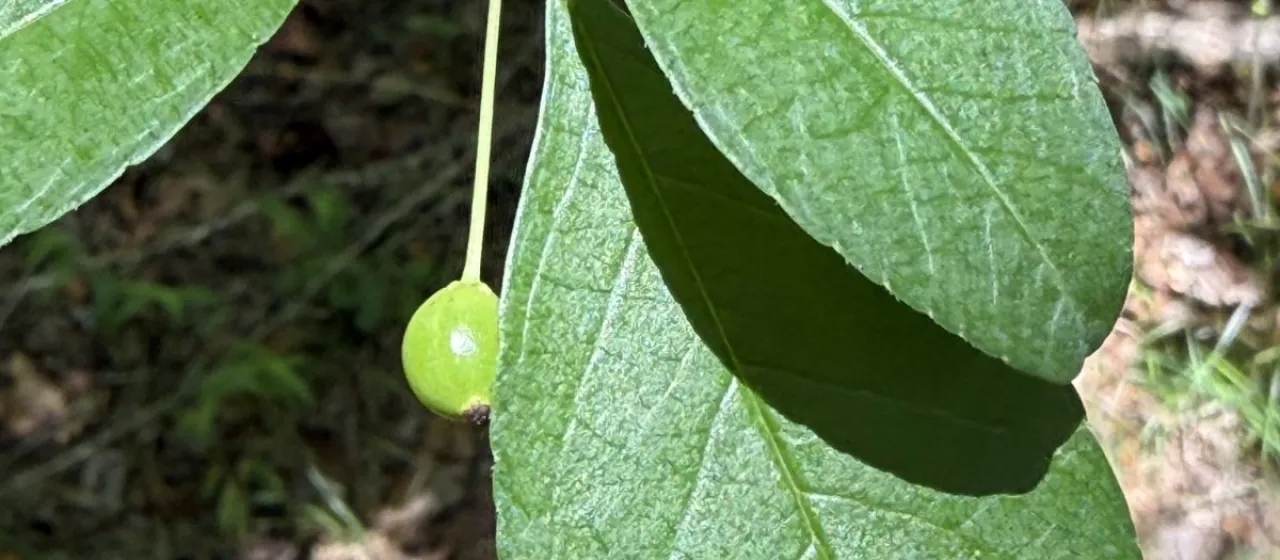
Description
Longstalk holly (Ilex longipes) is an ornamental shrub or small tree belonging to the Aquifoliaceae family. Known for its elegant silhouette and distinct botanical structure, it is a specialized plant that is often sought after by botanical collectors and landscape architects interested in native biodiversity.
The native range of this species is confined to the southeastern regions of the United States. It naturally thrives in the understory of deciduous forests, often located near moist soils or protected slopes. Because of its specific ecological origin, it requires a similar microclimate to flourish outside of its native habitat, specifically avoiding intense direct sunlight and extreme drought.
Botanically, Ilex longipes is distinguished by its elongated pedicels—the stems that support the berries—which is the origin of both its common and scientific names. Its foliage is generally thin and graceful, providing a delicate appearance compared to the coarser textures of other holly species. The bright red berries add significant visual interest during the autumn months.
Successful cultivation of longstalk holly depends on maintaining an acidic to neutral, well-draining soil profile rich in organic matter. Farmers and gardeners should focus on providing consistent moisture, especially during the first few years after planting. It is essential to avoid sites with standing water, as the root system is sensitive to poor drainage and subsequent fungal rot.
The primary use of this crop is aesthetic, serving as an accent plant or an understory feature in semi-shaded gardens. While it is generally hardy, it may be subject to scale insects or mildew if grown in poor air circulation conditions. Proper maintenance involves light pruning to preserve the shape and the application of slow-release fertilizers in early spring to support growth.