
Description
Large-stalk holly (Ilex macropoda) is a deciduous species of tree or shrub belonging to the family Aquifoliaceae. Unlike the more common evergreen members of the Ilex genus, this species is noted for its deciduous foliage, which reveals a distinct branching structure during the winter months.
The plant is native to East Asia, primarily inhabiting forests and mountainous regions in Japan, Korea, and parts of China. Within its natural range, it thrives in temperate climates that provide consistent moisture and protection from extreme temperature fluctuations.
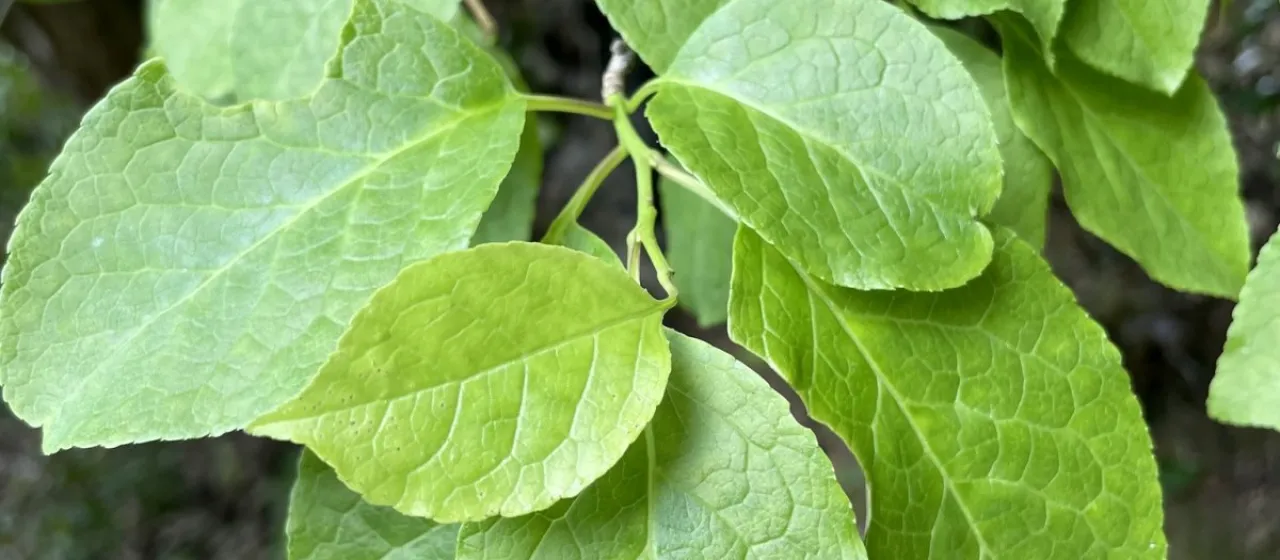
Botanically, Ilex macropoda is distinguished by its relatively long petioles and elegant, elliptic leaves. During the autumn, the plant produces vibrant red drupes that remain attached to the branches even after the leaves have fallen. This makes it a highly desirable species for visual interest in the late garden season.
Cultivation requirements for this species include rich, well-draining soil with a slightly acidic pH level. It performs best in partial shade, as intense direct sunlight can scorch the foliage in younger specimens. Proper agricultural management involves regular organic mulching to preserve soil moisture and routine monitoring for nutritional deficiencies.
The primary use of large-stalk holly is in ornamental landscaping, where it is utilized for its hardiness and aesthetic value. Despite its robustness, the plant can be susceptible to common pests such as aphids or scale insects. Management strategies include maintaining plant vigor through appropriate irrigation and, if necessary, using integrated pest management techniques to ensure healthy growth.