
Description
Hairy holly (Ilex pubescens) is a perennial evergreen plant belonging to the Aquifoliaceae family. It is distinct for its fine pubescence on its young stems and leaves, which gives the species its common and scientific names. This plant is widely recognized for its medicinal applications, particularly in traditional Eastern medicine, where its roots and leaves are highly valued for their bioactive compounds.
The native range of this species is primarily centered in East Asia, with China being the main region for its natural growth. It thrives in subtropical climates, favoring mountainous forest environments where humidity levels are consistently high. As a cultivated crop, Ilex pubescens is managed to ensure optimal growth and uniform leaf production for commercial processing into pharmaceutical extracts.
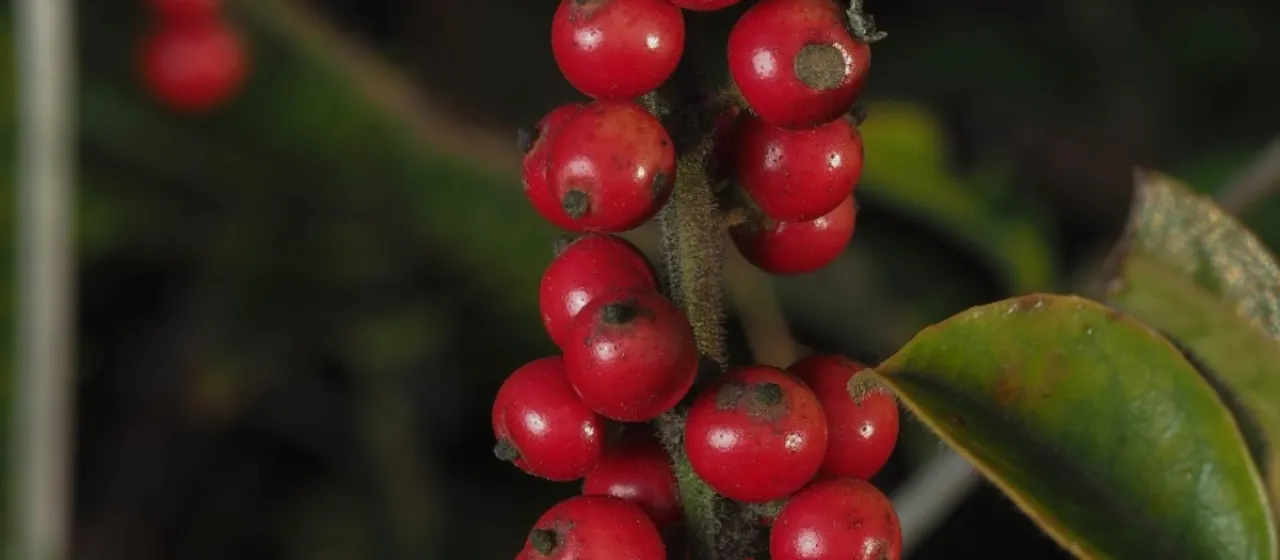
Botanically, the plant features leathery, elliptical leaves and small white flowers that bloom in the spring. The fruit is a small, bright red drupe, providing visual interest during the colder months. Its growth habit is that of a shrub or a small tree, which can be easily pruned to maintain a desired size, making it a versatile plant for both agricultural fields and ornamental landscapes.
Successful cultivation requires well-drained, fertile soil with a slightly acidic pH, typically ranging between 5.5 and 6.5. It is essential to avoid waterlogged sites to prevent root rot. Regular irrigation during dry spells, coupled with a balanced fertilization program rich in nitrogen and essential micronutrients, is crucial for maintaining the plant's vigor and maximizing its medicinal harvest potential.
Economic and practical applications include:
- Extraction of compounds for pharmaceutical production.
- Utilizing plant extracts in traditional herbal wellness therapies.
- Ornamental use in landscaping due to its evergreen foliage.
- Scientific research into its cardiovascular health benefits.
Typical plant health issues involve fungal infections like powdery mildew, particularly in poorly ventilated conditions, and sap-sucking pests such as scale insects or spider mites. Maintaining healthy growing conditions, providing adequate spacing between plants to encourage air circulation, and implementing a consistent integrated pest management (IPM) schedule are the best ways to protect the crop from yield-reducing threats.