
Description
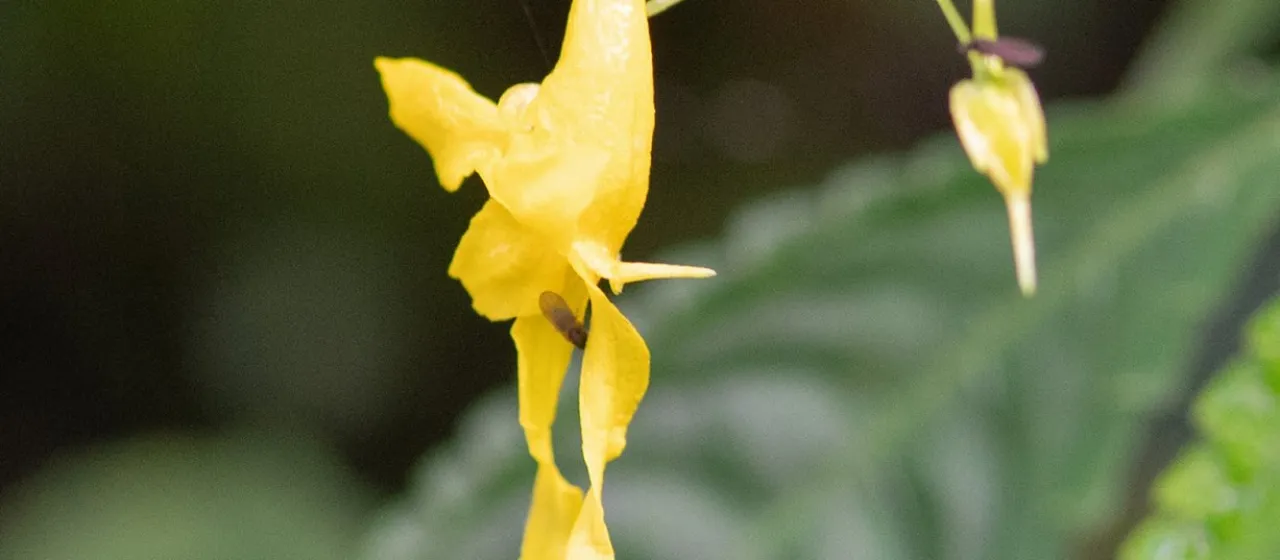
Impatiens drepanophora is a specialized botanical species within the Balsaminaceae family. Renowned for its unique floral architecture, this plant features distinct sickle-shaped spurs that differentiate it from the more common bedding balsam varieties. It is considered a niche species within horticultural collections.
The species originates from the mountainous, forested regions of Southeast Asia. It thrives in high-humidity environments typical of subtropical understories, often found near streams or in damp, nutrient-rich soils. Its natural habitat is characterized by filtered light, which has dictated its physiological evolution and current environmental needs.
Botanically, this plant displays succulent, upright stems and alternate foliage that is often serrated. The defining feature is the flower structure: it is zygomorphic with a prominent, curved nectar spur. The plant produces a dehiscent capsule that expels seeds upon reaching maturity, a classic biological dispersal strategy employed by the genus Impatiens.
Regarding cultivation, Impatiens drepanophora requires a strictly controlled environment. Growers should provide a well-draining, slightly acidic substrate rich in organic matter. Consistency is key: the plant needs high ambient humidity and protection from direct, intense sunlight, which can cause significant tissue damage. Temperatures should ideally remain moderate throughout the growing season.
- Maintain soil moisture without waterlogging.
- Ensure adequate indirect lighting.
- Monitor for pests like spider mites and aphids.
- Prevent fungal outbreaks through proper air circulation.
The primary use of this species is in conservatory displays and botanical research. Being highly susceptible to powdery mildew and sap-sucking pests, it requires intensive maintenance. Integrated pest management (IPM) practices, including the use of neem oil or biological predators, are recommended to maintain plant health in glasshouse settings.