
Description
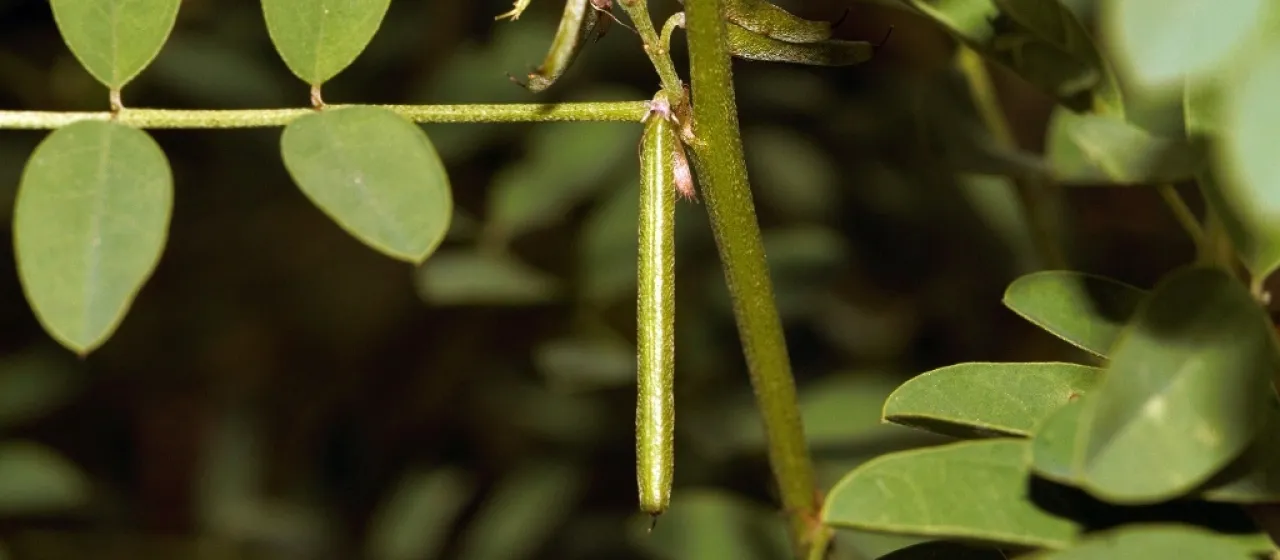
Indigofera arrecta is a perennial shrub belonging to the Fabaceae family, globally recognized as a significant biological source of the natural blue dye known as indigo. It is a bushy, woody plant that grows rapidly in tropical environments, characterized by its compound, pinnate leaves and slender racemes of small, pink or purple flowers that bloom periodically under favorable conditions.
The plant originates from the tropical regions of Africa and has been cultivated extensively across Asia and parts of the Americas. It thrives in high-temperature climates with consistent rainfall, making it a staple in tropical agricultural systems. Due to its specific climate demands, its range is largely restricted to the tropical belt where frost does not occur, as the plant is highly sensitive to cold weather and temperature fluctuations.
Botanically, Indigofera arrecta displays a deep root system that aids in soil stabilization and nutrient acquisition. From an agronomic perspective, it requires well-drained, fertile soil with an optimal pH range for best results. It is essential to ensure that the site has good drainage, as waterlogging is a primary factor in root rot and poor development. The plant is often integrated into crop rotation cycles due to its ability to fix nitrogen in the soil.
The primary economic value of this crop is the extraction of the indigo dye. The process involves harvesting the lush foliage, which is then fermented to oxidize the indigo precursor and produce the desired deep blue pigment. Beyond its use as a dye source, Indigofera arrecta is often employed in agroforestry and green manuring practices, serving to enrich the soil structure and increase overall biodiversity in agricultural plots.
Crop health is often challenged by various pests and fungal infections, particularly during the wet season. Effective management requires constant monitoring and adherence to best practices to minimize losses. Key aspects of maintenance and protection include:
- Maintaining optimal spacing to improve airflow and reduce fungal risks.
- Regular inspection for spider mites and other leaf-feeding insects.
- Strategic pruning to encourage vigorous branching and higher dye yield.
- Periodic soil testing to ensure necessary nutrient levels are maintained.