
Description
Indigofera astragalina is a significant member of the Fabaceae (legume) family, known for its adaptability to challenging tropical and subtropical environments. This species plays a crucial role in agricultural systems, particularly due to its nitrogen-fixing capabilities, which enhance soil fertility and crop productivity in sustainable farming practices.
The plant originates from the arid and semi-arid zones of Africa and Asia. Its historical distribution spans various savanna habitats, where it has evolved to thrive in soils with limited nutrients and water. Today, it is recognized for its role in restoring degraded lands and supporting biodiversity in its native regions.
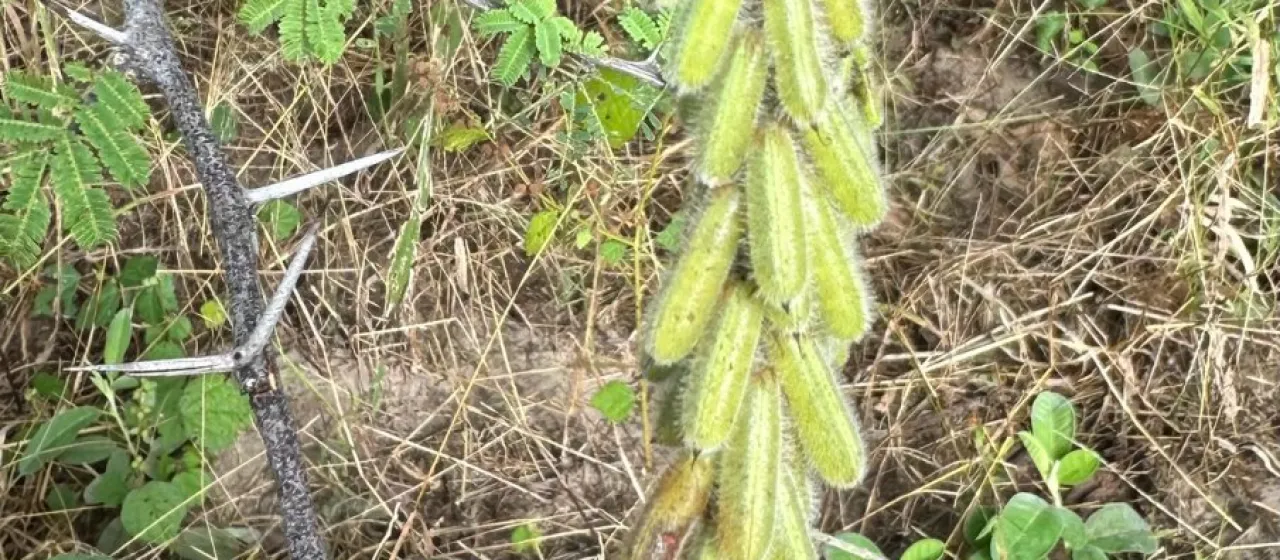
Botanically, it is an annual or perennial shrub characterized by its pinnate leaves and distinctive racemes of small, pink to purple flowers. The plant produces pod-like fruits containing seeds that demonstrate high viability, allowing it to colonize disturbed soils effectively under various climatic pressures.
Agricultural requirements for Indigofera astragalina involve well-drained soil and high solar radiation exposure. It is highly drought-tolerant, meaning it can sustain growth periods without significant irrigation. Proper establishment requires careful site selection to avoid waterlogged conditions, which can inhibit its development during the early seedling stages.
The economic value of this crop is multifaceted, serving primarily as a nutrient-rich forage for livestock and a valuable green manure crop for soil enrichment. While it is generally robust, growers should monitor for leaf-eating insects and prevent root-rot pathogens through adequate drainage management. Its potential as a cover crop makes it a focus for soil conservation programs worldwide.