
Description
Australian indigo (Indigofera australis) is a perennial shrub belonging to the Fabaceae family. It is native to Australia and is recognized both for its ornamental value and its beneficial ecological characteristics, including the ability to fix nitrogen in the soil, which makes it a valuable plant for sustainable land management and soil restoration.
Originating from diverse habitats across Australia, including woodlands and rocky outcrops, this species is highly adaptable. It thrives in climates that are generally mild and demonstrates a commendable level of tolerance toward brief frost events and arid conditions. Its wide range of natural distribution suggests potential for cultivation in various temperate climates globally.
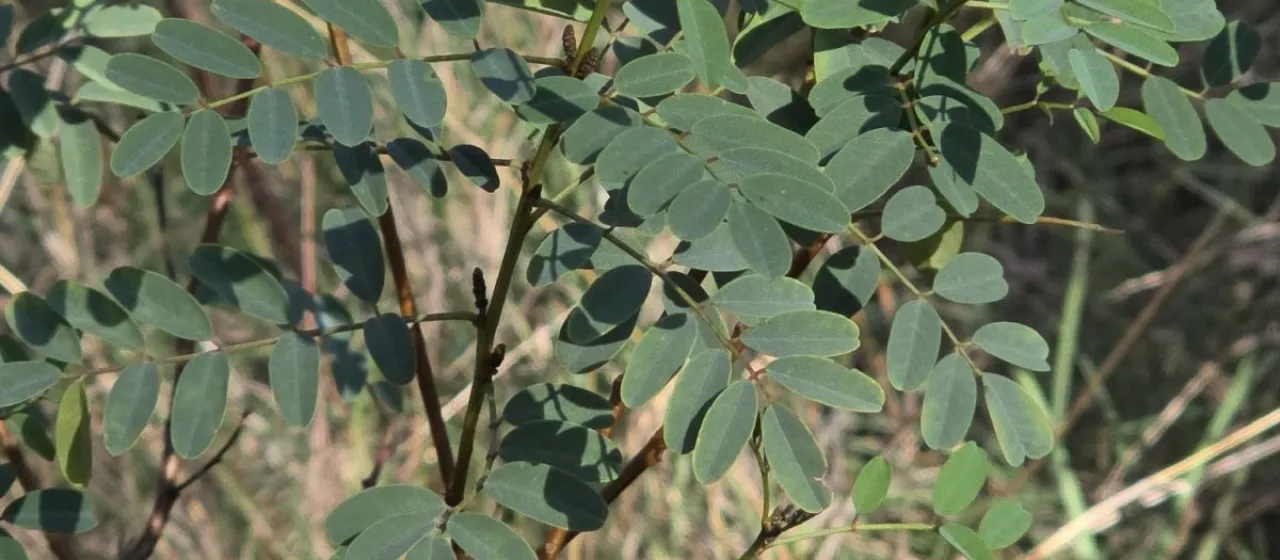
Botanically, Indigofera australis is a shrub that typically grows to a height of 2 to 3 meters. It features attractive pinnate foliage composed of several leaflets, providing a soft, lacy appearance. The plant produces showy racemes of pink to purple flowers during the spring season, making it a favorite for landscaping and biodiversity-friendly planting.
Regarding agronomic requirements, the plant prefers well-drained soil with a neutral to slightly acidic pH. While it can tolerate partial shade, it reaches its full potential in sunny positions. The cultivation process is relatively low-maintenance, requiring minimal irrigation once the plant is established and regular pruning to maintain the desired shape and promote vigorous flowering.
In addition to its decorative role, the plant can be utilized in agricultural systems as a cover crop or for soil enrichment through nitrogen fixation. Like many legumes, it is essential to monitor for common pests such as aphids and spider mites. Proper air circulation and avoiding waterlogged soil are key preventive measures against fungal infections and root rot.