
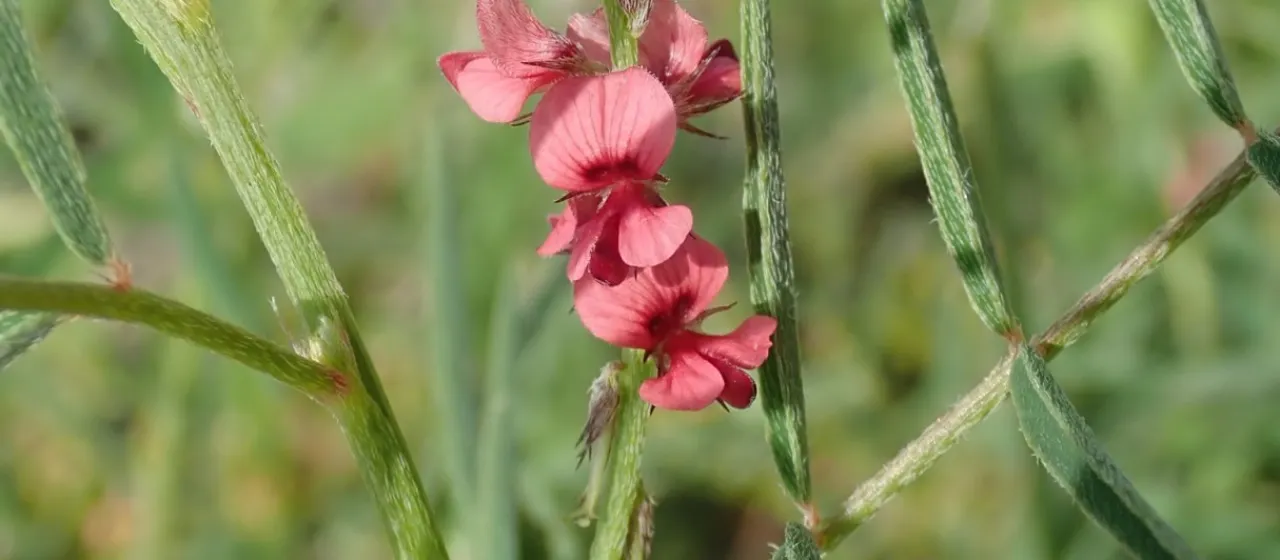
Description
Indigofera charlierana is a species of flowering plant belonging to the legume family, Fabaceae. It is recognized for its role in sustainable agriculture and its ability to thrive in diverse, often challenging tropical and subtropical environments. This species is part of a genus widely studied for its economic and ecological importance.
The plant originates from the African continent, where it is found in savanna ecosystems and grasslands. Its natural range is characterized by distinct wet and dry seasons, making the plant inherently resistant to drought. This resilience is a key trait that makes it suitable for semi-arid agricultural regions.
Botanically, Indigofera charlierana typically develops as a small shrub or herbaceous plant with compound leaves and distinctive racemose inflorescences. The root system is robust, which assists in stabilizing the soil and extracting nutrients from deeper layers. These features contribute to its general hardiness in marginal landscapes.
Cultivation requirements involve high solar radiation and well-drained soil types. Sandy to loamy soils are ideal, provided they offer efficient drainage to prevent waterlogging, which the plant does not tolerate. Proper field preparation and weed management are essential during the initial growth stages to ensure the crop establishes itself successfully.
- Pasture enhancement and high-quality livestock forage
- Biological nitrogen fixation for soil fertility improvement
- Use as a cover crop for erosion control
In terms of agricultural management, the main focus is on maintaining a healthy plant density and monitoring for typical legume pests such as beetles or larvae. Plant pathology reports suggest that fungal pathogens can occur if drainage is insufficient, thus emphasizing the need for precise water management in large-scale farming applications.