
Description
Indigofera circinella is a distinct species within the Fabaceae (legume) family. As a perennial shrub, it is recognized for its ability to form symbiotic relationships with nitrogen-fixing bacteria, which classifies it as a potentially beneficial crop for sustainable farming systems in specific tropical environments.
The plant originates from the tropical regions of East Africa, where it has evolved to thrive in environments with distinct wet and dry seasons. Its current distribution is primarily localized, but it is studied for its adaptability to semi-arid climates where traditional legume crops might struggle due to high water requirements.
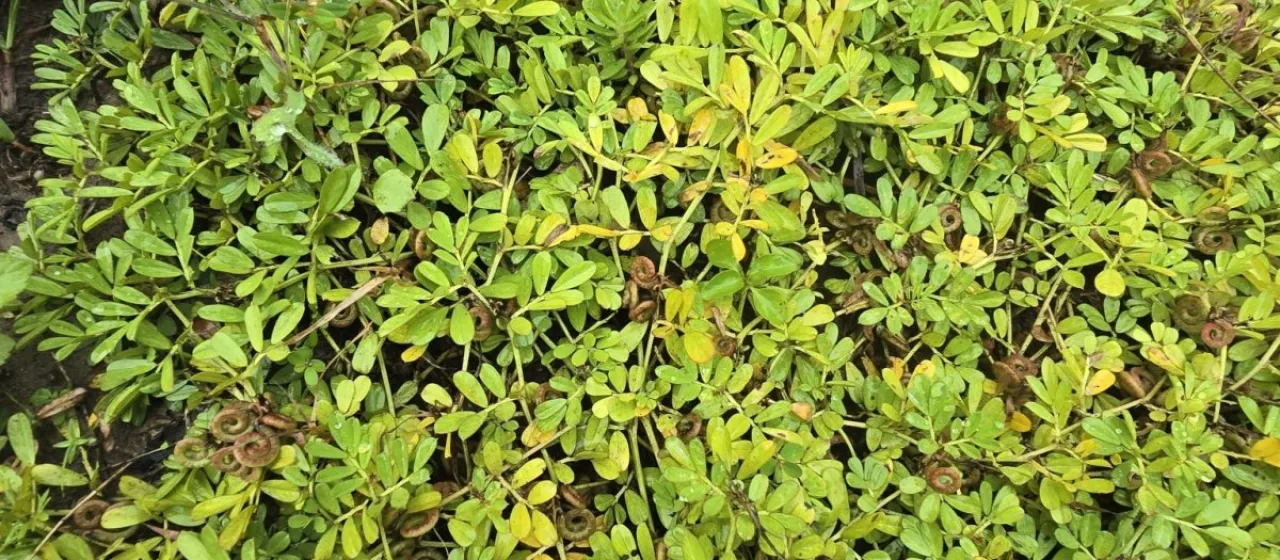
Botanically, Indigofera circinella is identified by its pinnate leaves and unique spirally coiled pods, from which the species name is derived. The plant produces small inflorescences and possesses a deep-reaching root system that provides stability and access to deep-seated moisture during periods of limited precipitation.
In terms of agricultural requirements, this species favors well-drained soils, ideally sandy or loamy textures, to ensure proper root development and avoid waterlogging. It requires high light intensity for optimal growth and flowering. Standard agronomic practices focus on managing weed competition during the early stages of plant establishment.
The primary agricultural utility of Indigofera circinella is centered on soil health improvement. By fixing nitrogen in the soil, it acts as a natural fertilizer source for subsequent crops. While not widely commercialized as a food crop, it serves as an excellent case study in biodiversity and sustainable land management. Plant protection remains standard for legumes, with emphasis on monitoring for aphids and fungal pathogens that affect foliage and root systems.