
Description
Indigofera coerulea is a perennial shrub belonging to the Fabaceae family, widely recognized for its historical and economic significance as a source of natural blue pigment. Unlike other species in the genus, this plant is specifically adapted to arid and semi-arid environments, making it a robust candidate for cultivation in challenging climatic zones.
The plant originates from the tropical and subtropical regions of Africa and Asia, notably spreading through the Arabian Peninsula and parts of India. Its natural distribution is characterized by areas with distinct dry seasons, which has shaped the plant’s biological ability to conserve moisture and maintain steady growth under intense solar radiation.
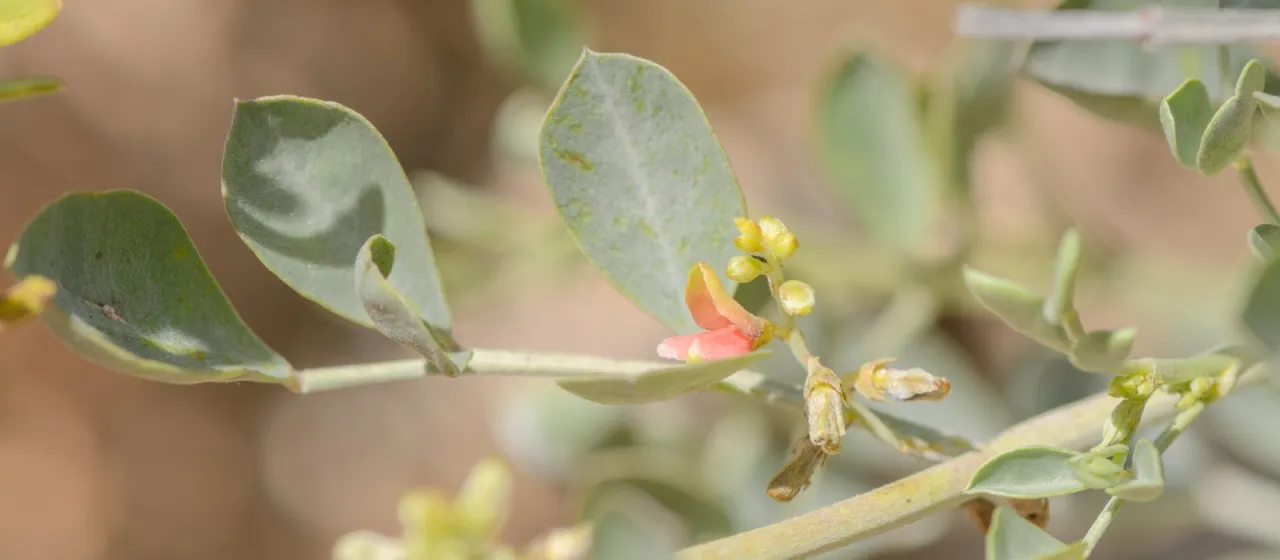
Botanically, it is a branched shrub featuring pinnate leaves and small, typical papilionaceous flowers. Its root system is deep-seated, allowing for efficient nutrient and water uptake in sandy, nutrient-poor soils. The plant produces pod-like fruits containing seeds that are hardy and retain viability for relatively long periods.
The agronomic requirements for Indigofera coerulea include well-drained, porous soils and exposure to full sunlight. It is highly sensitive to waterlogging, which often results in fungal root decay; therefore, site selection is critical. Essential cultivation practices include:
- Regular soil cultivation during the early establishment phase.
- Pruning to promote dense foliage development.
- Strategic harvesting timing to maximize pigment concentration.
- Controlled irrigation to avoid physiological stress.
Beyond its primary use as a source of indigo dye for textiles, this species serves as a valuable nitrogen-fixing legume. It enhances soil fertility and structure in rotation systems, proving beneficial for sustainable agriculture in tropical climates. While it is generally hardy, growers should remain vigilant against common pests such as aphids and leaf-eating beetles, as well as potential fungal infections during periods of high humidity.