
Description
Indigofera cordifolia is a hardy herbaceous plant belonging to the Fabaceae family. It is a resilient species that has gained attention in agricultural research for its ability to thrive in extremely arid and semi-arid environments where water availability is a major limiting factor. As a member of the bean family, it holds significant potential for both forage production and soil improvement in challenging climatic zones.
The plant originates from the dry regions of Africa and Asia, particularly India, where it is well-adapted to high-temperature regimes and sparse rainfall. It is typically found in open fields and grassland ecosystems. Its natural distribution is a testament to its evolutionary success in environments characterized by prolonged dry seasons and nutrient-poor, sandy soils that are generally unsuitable for mainstream food crops.
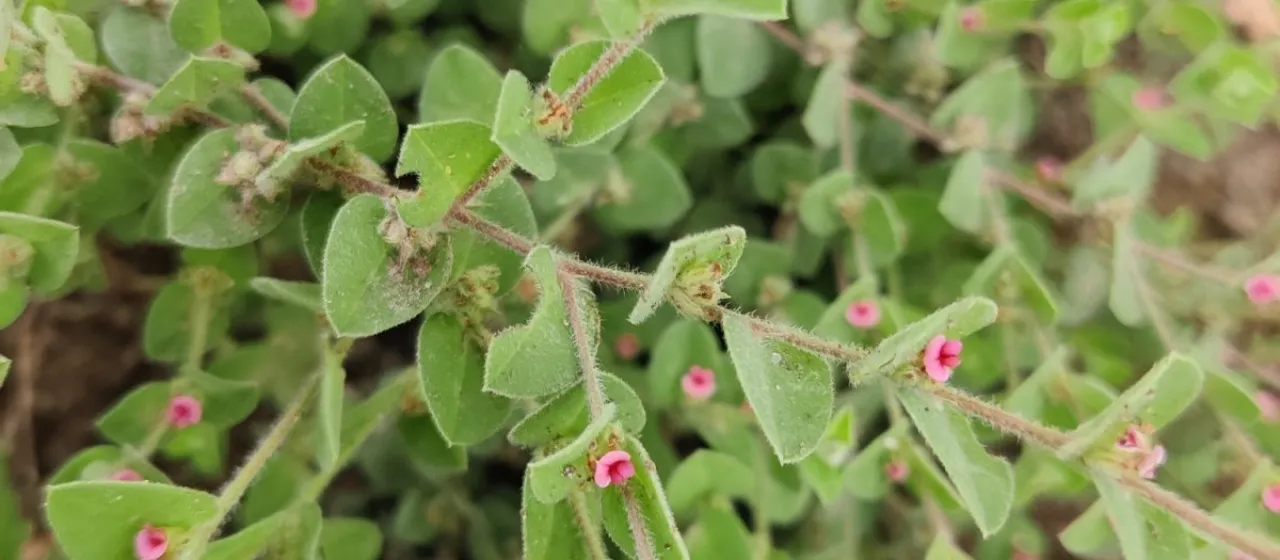
Botanically, Indigofera cordifolia is distinguished by its unique heart-shaped leaves, which are often covered with fine trichomes to reduce transpiration losses. The root system is deep and efficient, allowing the plant to tap into deep soil moisture reserves. The flowers are small, arranged in clusters, and typical of the legume family, leading to the development of small pods containing resilient seeds that can remain dormant until favorable conditions arise.
From an agronomical standpoint, this crop is low-maintenance but requires specific soil conditions, specifically high drainage. It thrives on sandy and rocky substrates and requires minimal inputs due to its symbiotic relationship with nitrogen-fixing bacteria. Proper management involves careful monitoring of plant density to prevent competition for nutrients and space, though its rapid early growth helps it successfully compete against opportunistic weeds.
Economically, the primary use of Indigofera cordifolia is as high-quality forage for grazing livestock, including camels, goats, and cattle, especially during the dry season. It is also an excellent candidate for land reclamation and erosion control projects, as its root architecture binds the soil. Potential challenges for growers include occasional outbreaks of leaf-eating insects and the risk of root rot if planted in areas with poor drainage or during unseasonable heavy rainfall.
- Extreme drought tolerance
- Nitrogen fixation capacity
- Valuable dry-season forage
- Soil stabilization properties