
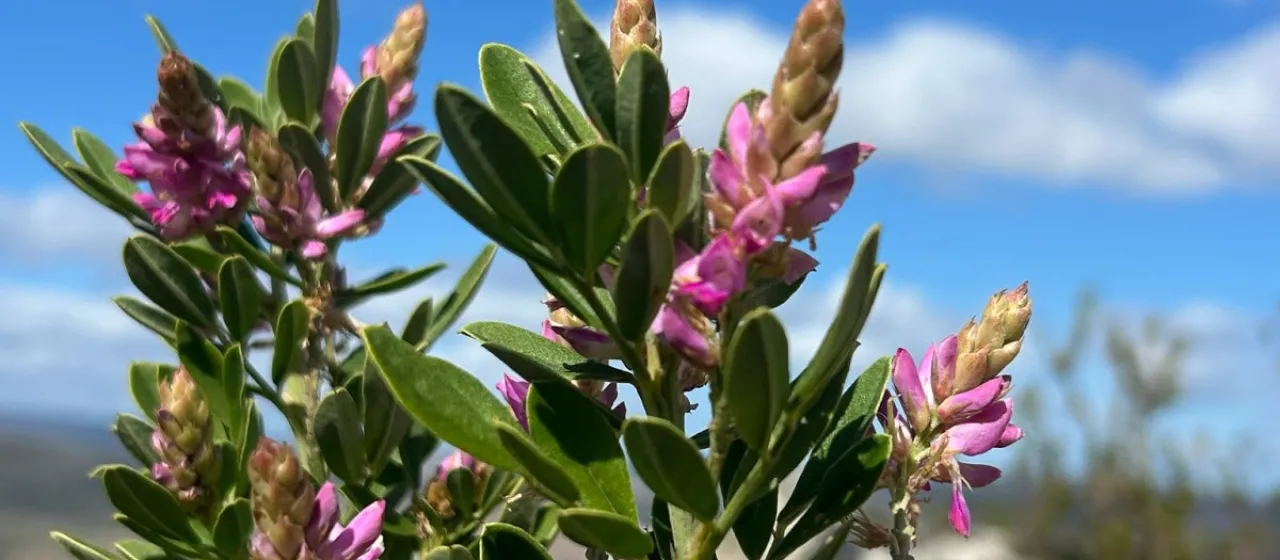
Description
Indigofera cytisoides is a perennial shrub belonging to the Fabaceae family. This species is recognized for its robust growth habit and its role within its native ecosystem, where it serves as a critical biological component in nitrogen cycling and soil stabilization.
Originating from the Southern African region, the plant has adapted to diverse climatic conditions. Its natural distribution range spans areas characterized by distinct wet and dry seasons, allowing it to exhibit resilience and versatility in various agricultural settings across the globe.
Botanically, Indigofera cytisoides features pinnate leaves and a complex root system equipped with nodules for nitrogen-fixing bacteria. The plant produces dense floral displays, which are highly attractive to pollinators. Its structural integrity makes it an ideal candidate for erosion control in hilly or degraded landscapes.
Regarding cultivation, the plant thrives in well-drained soils with a slightly acidic to neutral pH. Proper agrotechnical management involves regular pruning to encourage thicker foliage and careful monitoring of irrigation levels to prevent waterlogging, which the plant does not tolerate well during its initial establishment phase.
The economic value of this crop is significant, particularly in sustainable agriculture. Key areas of application include:
- Nutritious fodder for livestock grazing.
- Soil improvement through atmospheric nitrogen fixation.
- Erosion control on sloped farmlands.
- Support for local apiaries due to its nectar-producing flowers.
While generally hardy, the crop can be susceptible to specific pests such as spider mites and leaf-eating beetles, particularly under stress conditions. Effective management strategies include maintaining balanced soil fertility and ensuring appropriate planting density to allow for sufficient air circulation, minimizing the occurrence of fungal pathogens.