
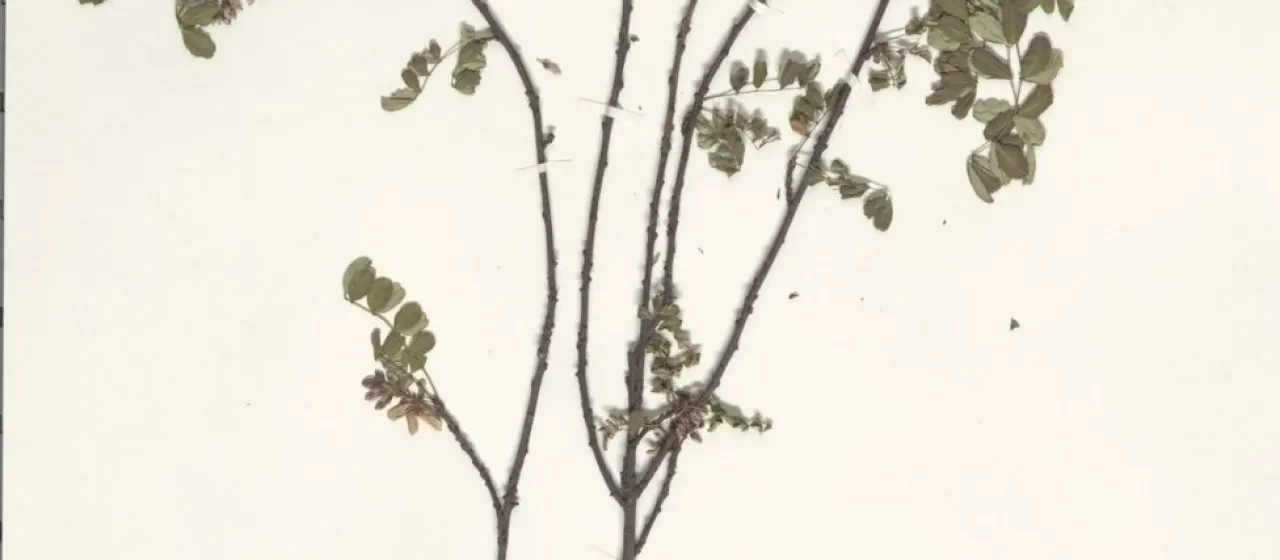
Description
Indigofera dielsiana is a perennial shrub belonging to the family Fabaceae. This species is gaining interest in agronomic circles due to its ecological benefits and its typical leguminous ability to form symbiotic relationships with nitrogen-fixing bacteria, which can significantly enhance soil fertility in low-input farming systems.
Originating from East Asia, particularly China, this species is well-adapted to mountain slopes and forest fringes. Its native range suggests a preference for environments where it can withstand seasonal dry spells and thrive in relatively lean soils, making it a robust candidate for restoration projects or specialized agricultural uses.
Botanically, the plant is characterized by its pinnate leaves and distinctive racemes of pink-to-purple flowers. The root system is relatively deep and branching, which allows for efficient water uptake and stability in varying soil types. The growth habit is typically bushy, requiring specific spacing to ensure optimal development of each individual plant.
The agronomic requirements for Indigofera dielsiana include well-drained, slightly acidic to neutral soils and exposure to ample sunlight. The species demonstrates considerable drought tolerance once established. Standard management practices include weed control in the initial stages and periodic pruning to maintain structural integrity and promote vigorous regrowth of biomass.
The crop offers diverse potential for utilization:
- Green manure production for nitrogen-rich soil improvement.
- Erosion control on sloped or degraded land.
- Decorative use in gardens due to attractive seasonal flowering.
- Scientific interest in its secondary metabolites and potential natural dyes.
In terms of plant health, the species is susceptible to root rot if soil drainage is inadequate. Common pests typically include aphids and various leaf-chewing insects that are ubiquitous among Fabaceae. Integrated pest management, focusing on biological controls and proper site selection, is the most effective strategy for maintaining high yield and plant vigor.