
Description
Indigofera filipes is a distinguished member of the Fabaceae (legume) family, recognized for its ecological importance and utility in sustainable agriculture. As a nitrogen-fixing plant, it plays a vital role in maintaining soil nutrient balance, making it a valuable candidate for green manure and soil restoration projects.
The species originates from diverse tropical and subtropical landscapes in Asia. It thrives in regions with warm climates and is particularly well-adapted to habitats where sunlight is abundant and seasonal rainfall patterns dictate the growing cycle. Its resilience to varied soil types makes it a versatile species for agricultural exploitation.
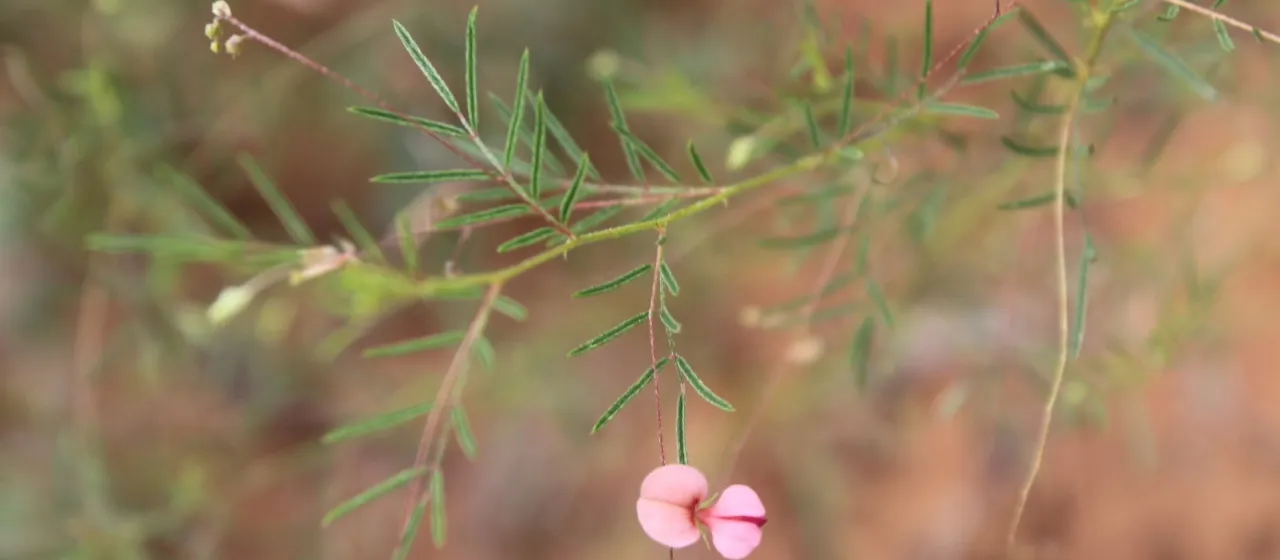
Botanically, the plant is characterized by its fine, slender stems and intricate pinnate foliage. The growth habit is typically shrubby or semi-shrubby, providing significant biomass. The small, often delicate flowers typical of the genus contribute to the plant's identification during the active blooming phase.
Agricultural requirements for Indigofera filipes emphasize the need for well-draining soils to prevent waterlogging, which the plant does not tolerate well. Successful cultivation requires careful site selection and, in some cases, inoculation of the soil with specific rhizobia to enhance the nitrogen-fixing capacity of the crop.
The primary agricultural and economic applications include:
- Enhancing soil fertility through biological nitrogen fixation.
- Acting as an effective cover crop to prevent topsoil erosion.
- Serving as a source of forage material for livestock in tropical farming systems.
Like many legumes, it is susceptible to specific pests, including pod borers and aphids, which can affect seed production. Growers should implement integrated pest management (IPM) strategies, including biological controls and targeted scouting, to ensure the health and productivity of the fields throughout the growing season.