
Description
Indigofera glandulosa is an annual herbaceous plant belonging to the Fabaceae family. Recognized for its significant role in agricultural systems within tropical and subtropical zones, it serves as both a forage crop and a valuable soil-improving agent due to its biological characteristics.
The plant originates from the regions of Africa and Asia, particularly thriving in parts of India and surrounding countries. It is well-adapted to hot and humid environments, demonstrating a clear preference for regions with distinct wet and dry seasons, where it can complete its life cycle before the onset of extreme conditions.
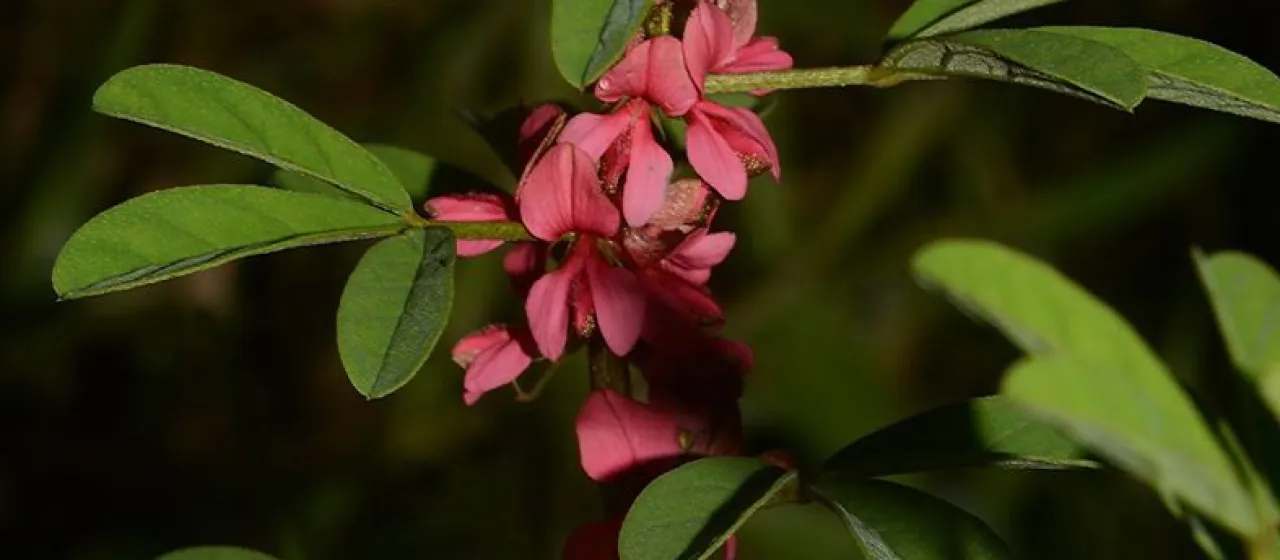
Botanically, it is identified by its branched stems and pinnate leaves, which feature distinctive glandular dots that give the plant its name. The flowers are typically small and reddish, appearing in axillary clusters, followed by pods that house the seeds. Its root system is highly efficient at establishing symbiotic relationships with soil bacteria.
Agronomical success with Indigofera glandulosa requires well-drained, fertile soils. While it is quite drought-tolerant, it requires sufficient moisture during the initial growth stages. Proper weed management during the first few weeks is crucial, as the plant can be slow to establish initially, but it grows rapidly once the roots are well-developed.
The crop is primarily utilized as high-protein animal fodder, providing essential nutrients for livestock. Beyond its nutritional value, it is widely used in sustainable farming as a green manure, helping to sequester atmospheric nitrogen and increase organic matter content in the soil, which subsequently benefits the rotation of subsequent staple crops.
- Significant nitrogen-fixing capabilities.
- Nutrient-dense biomass for livestock.
- Excellent resilience in diverse tropical soils.
- Low requirement for chemical inputs.