
Description
Himalayan indigo (Indigofera heterantha) is a deciduous perennial shrub belonging to the Fabaceae family. This species is widely recognized for its ecological benefits, particularly its nitrogen-fixing capabilities, which enhance soil health and support sustainable gardening and agricultural practices.
The plant originates from the mountainous regions of the Himalayas and has adapted well to various temperate zones globally. Its cultivation range is steadily expanding, as it is valued both as an ornamental feature in landscape design and as a functional plant for erosion control in hilly terrains.
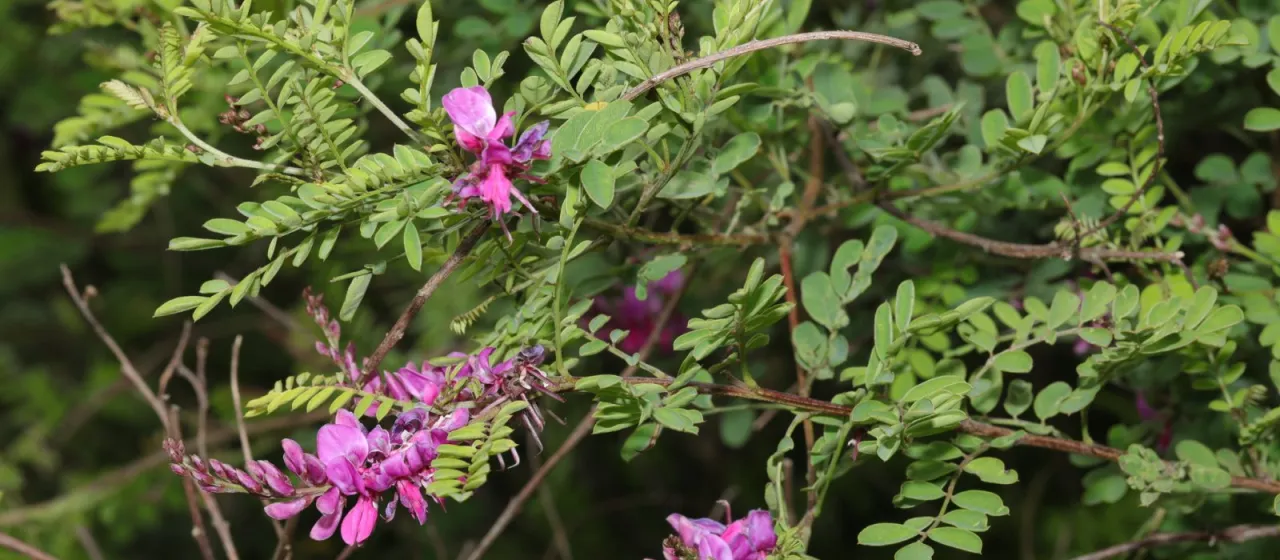
Botanically, it is a branched shrub reaching heights of up to 2 meters. It features delicate, pinnate leaves and produces striking, dense racemes of rose-purple or violet flowers. The blooming season is extensive, typically running from mid-summer until autumn, providing a long-lasting aesthetic appeal.
Cultivation requirements involve selecting well-draining soil and a sunny location protected from harsh winter winds. While the plant is drought-tolerant once established, it requires consistent moisture during its initial growth phase. Pruning in early spring is highly recommended to encourage vigorous new growth and a denser canopy.
In terms of agricultural use, it is an excellent honey plant that supports pollinator biodiversity. Regarding health, growers should monitor for common pests like aphids and spider mites. Preventive measures against root rot should be taken by ensuring optimal drainage to avoid waterlogged conditions.
- Drought-tolerant nature
- Nitrogen-fixing properties
- Attracts bees and butterflies
- Low maintenance requirements