
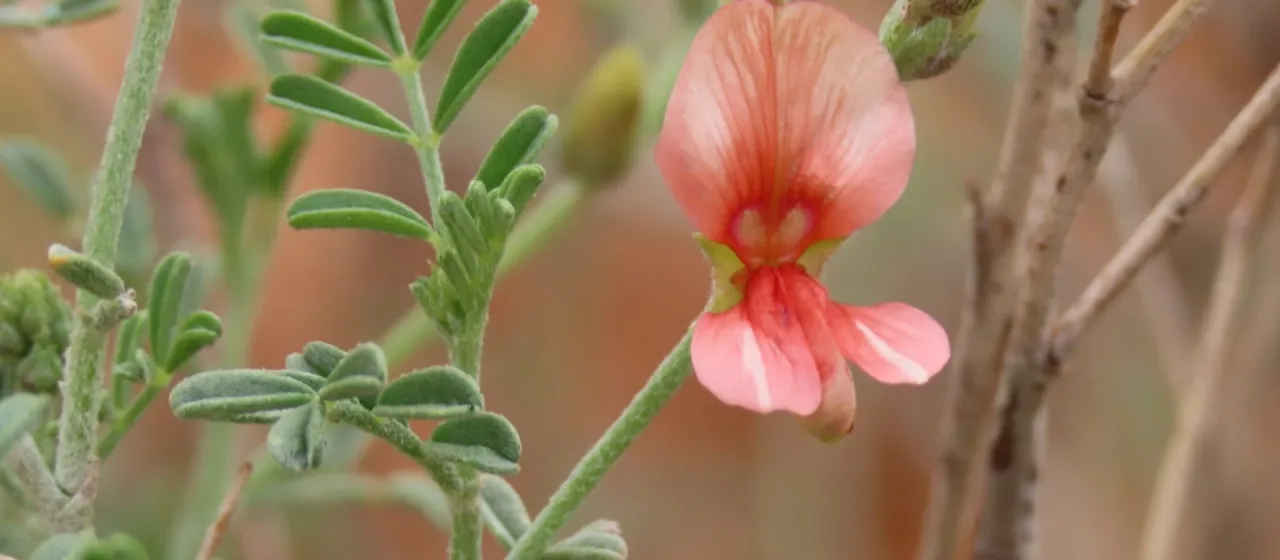
Description
Indigofera heterotricha is a noteworthy species within the Fabaceae family, recognized for its role in sustainable agricultural systems. As a leguminous plant, it functions as a natural bio-fertilizer, enhancing soil fertility through atmospheric nitrogen fixation, which makes it an ideal candidate for soil reclamation projects in tropical and subtropical regions.
The native distribution of this plant centers on African ecosystems, where it has evolved to thrive in environments with varying rainfall. Its natural range demonstrates a high level of resilience to environmental stresses, including periodic drought and nutrient-poor substrate conditions, allowing it to remain productive where other crops might fail.
Botanically, Indigofera heterotricha is characterized by its complex pinnate foliage, which is often densely covered in fine trichomes—the feature that gives the species its name. The plant exhibits a shrubby growth habit with well-developed taproots, which provides stability and helps in accessing deep-seated moisture and minerals from the soil profile.
Cultivation practices for this species emphasize the need for well-draining soil and exposure to full sunlight. While it is adaptable to poor soils, it performs best when initial soil preparation allows for proper seed germination and root establishment. Regular monitoring for specific pests, such as pod borers or certain leaf-eating insects typical of legumes, is recommended to ensure maximum biomass production.
In terms of practical application, Indigofera heterotricha is predominantly utilized as a green manure crop to enrich the soil with organic nitrogen before planting high-demand crops. Additionally, its drought tolerance makes it a valuable component of grazing land management, as it provides a reliable source of protein-rich forage during the drier months when other grasses lose their nutritional value.
- Excellent nitrogen-fixing ability.
- High tolerance to poor soil quality.
- Valuable for erosion control.