
Description
Indigofera hilaris is a perennial herbaceous or semi-shrubby plant belonging to the family Fabaceae. This species is highly regarded in agronomy for its nitrogen-fixing capabilities, which contribute significantly to soil fertility improvement and the sustainability of agricultural systems in tropical and subtropical regions.
Originating from Southern Africa, this plant is naturally adapted to savanna environments. Its native range is characterized by seasonal rainfall patterns, which has bestowed the species with remarkable resilience against periodic drought and moderate temperature fluctuations, making it a robust candidate for cultivation in similar climates.
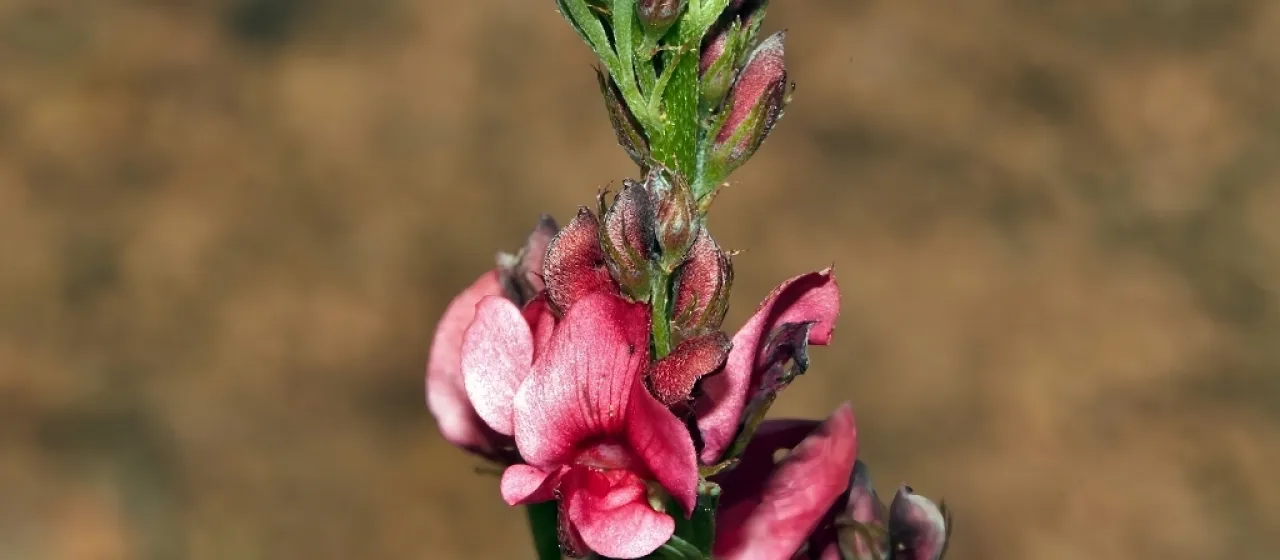
The botanical structure of the plant features compound pinnate leaves and distinctive papilionaceous flowers arranged in racemes. It develops a vigorous root system that allows for efficient exploration of soil resources, enabling the plant to thrive in various soil types while maintaining structural integrity during extreme weather conditions.
Successful cultivation of Indigofera hilaris requires well-drained soil, preferably sandy loam or loamy textures, with a neutral pH. Agronomic practices should focus on proper seedbed preparation and maintaining adequate plant spacing to minimize competition. Young plants require careful weed management until they become fully established and dominant in the field.
In agricultural practice, this crop is primarily used as a high-protein forage source and as a cover crop for soil enrichment. While generally hardy, farmers should monitor for typical legume pests such as defoliating insects or root pathogens that may occur during periods of excessive soil moisture.
- Excellent nitrogen-fixing capacity for soil improvement.
- Valuable protein-rich source for livestock feed.
- Strong adaptability to various tropical soil and climate conditions.