
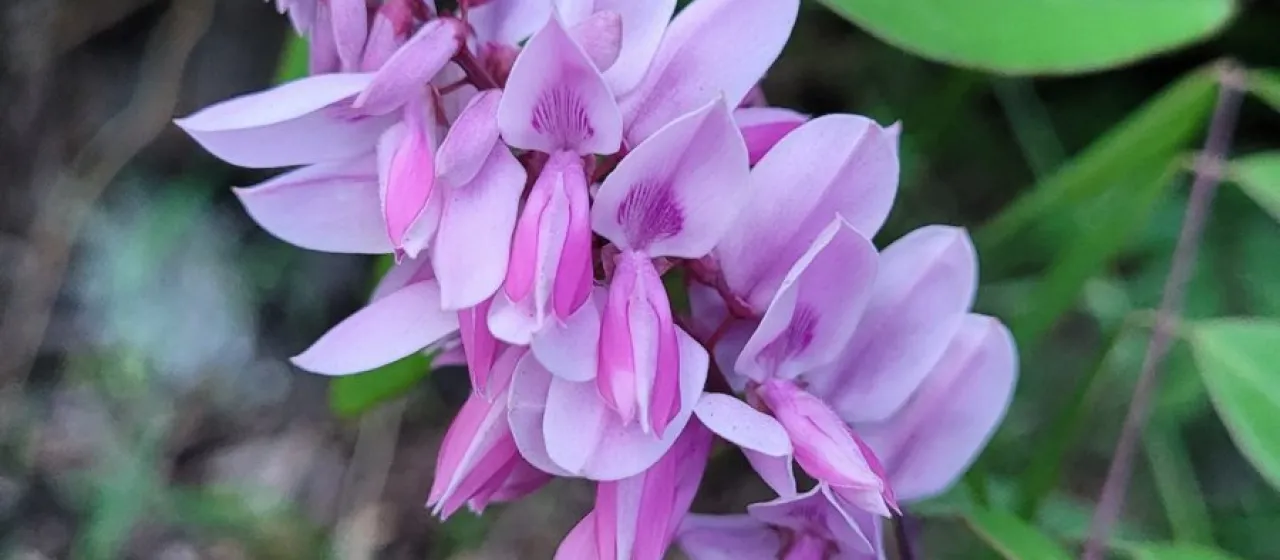
Description
Indigofera incarnata, commonly referred to as hardy indigo, is a deciduous subshrub belonging to the Fabaceae family. It is highly regarded in horticulture for its ornamental value, characterized by elegant, pinnate foliage and striking, upright spikes of rose-pink or reddish-purple flowers that bloom during the summer months.
Originating from East Asia, including parts of China and Japan, this plant has adapted well to various temperate climates. Its natural habitat includes sunny hillsides and forest margins, which informs the requirements for its cultivation in gardens and landscape projects across global regions with similar environmental conditions.
Botanically, the plant displays a sophisticated structure that adds texture to any planting scheme. Key characteristics include:
- Graceful, compound pinnate leaves that create a light, airy foliage effect.
- Showy, pea-like flowers arranged in dense racemes that stand out against the greenery.
- A vigorous root system that engages in symbiotic nitrogen fixation, contributing to soil health.
To ensure optimal growth, Indigofera incarnata requires a site with full sun and protection from strong, drying winds. It thrives in well-draining, fertile soils that are slightly acidic to neutral in pH. While it is relatively drought-tolerant once established, supplemental watering during hot, dry spells will significantly improve flowering performance and overall vigor.
The primary use for this species is ornamental. It is frequently employed in border plantings, cottage gardens, or as a focal shrub in mixed beds. Beyond its beauty, the plant is a beneficial addition to garden ecosystems due to its ability to fix atmospheric nitrogen, which helps sustain the quality of the soil for neighboring plants.
Regarding plant health, Indigofera incarnata is generally hardy and resilient. Potential issues include root rot in heavy, waterlogged soils, which should be mitigated through proper soil amendment. Occasionally, foliage may be affected by aphids or spider mites, which can be managed with standard horticultural oil sprays or biological control methods to maintain the plant's health.