
Description
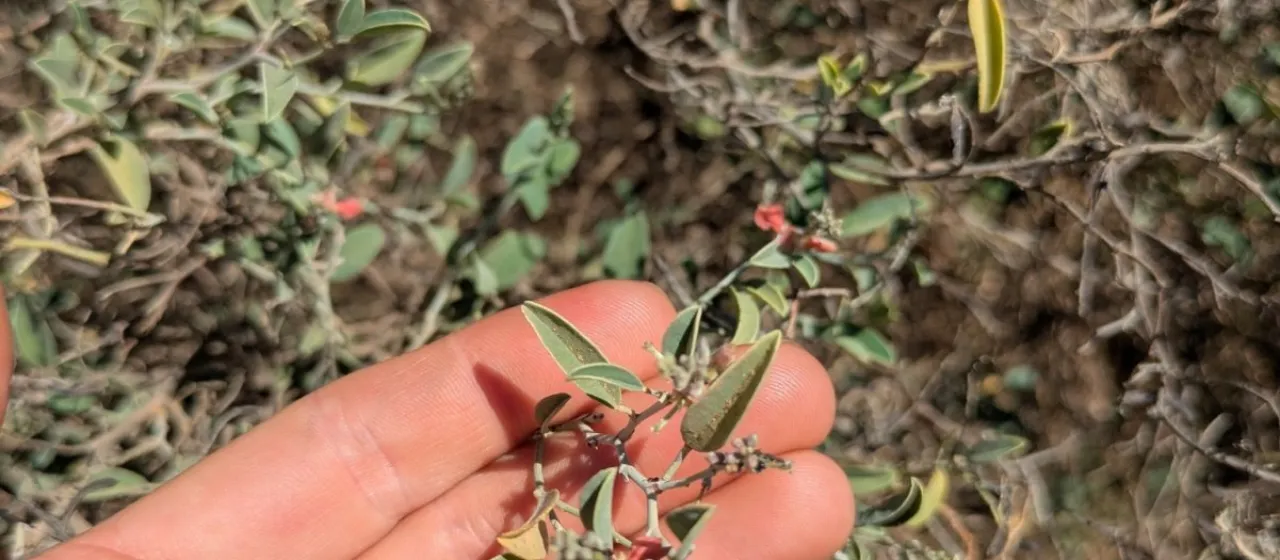
Indigofera oblongifolia is a hardy perennial shrub belonging to the Fabaceae family. Known for its remarkable resilience, this species has adapted to survive in harsh arid environments while simultaneously contributing to soil fertility through nitrogen fixation.
Originating from the arid regions of Africa and parts of Southern Asia, the plant is widely distributed in countries such as Pakistan, India, and across the Arabian Peninsula. It thrives in hot, desert-like climates where environmental stress limits the growth of most conventional agricultural crops.
Botanically, this shrub can grow up to two meters in height with a heavily branched structure. Its foliage consists of pinnate, oblong leaves often covered in fine hairs to reduce transpiration. The plant produces small, colorful flowers followed by slender, cylindrical pods characteristic of the legume family.
Successful cultivation requires full sun exposure and well-draining, sandy, or rocky soils. It is highly drought-tolerant once established and does not require frequent irrigation. Regular maintenance involves pruning to remove dead wood and encourage dense growth, which is essential for its role in landscape management.
In terms of economic value, the plant is historically significant as a source of indigo dye, although today it is more valued for ecological restoration and forage. Its deep root system makes it an excellent choice for stabilizing shifting sands and preventing soil erosion in arid agricultural zones.
Common pests and diseases include:
- Various leaf-eating caterpillars and beetles.
- Root rot caused by poor soil drainage.
- Aphid infestations that can weaken young shoots during the growing season.