
Description
Indigofera oxytropis is a perennial shrub belonging to the Fabaceae family. As a leguminous crop, it plays a vital role in sustainable agriculture by fixing atmospheric nitrogen into the soil, thereby increasing the fertility of the land where it is grown without the intensive use of synthetic fertilizers.
The plant originates from the mountainous regions of East Asia, where it has adapted to diverse climatic conditions. Its natural distribution range includes temperate and subtropical zones characterized by well-defined seasonal changes. It is particularly noted for its resilience in environments that would be challenging for more sensitive forage crops.
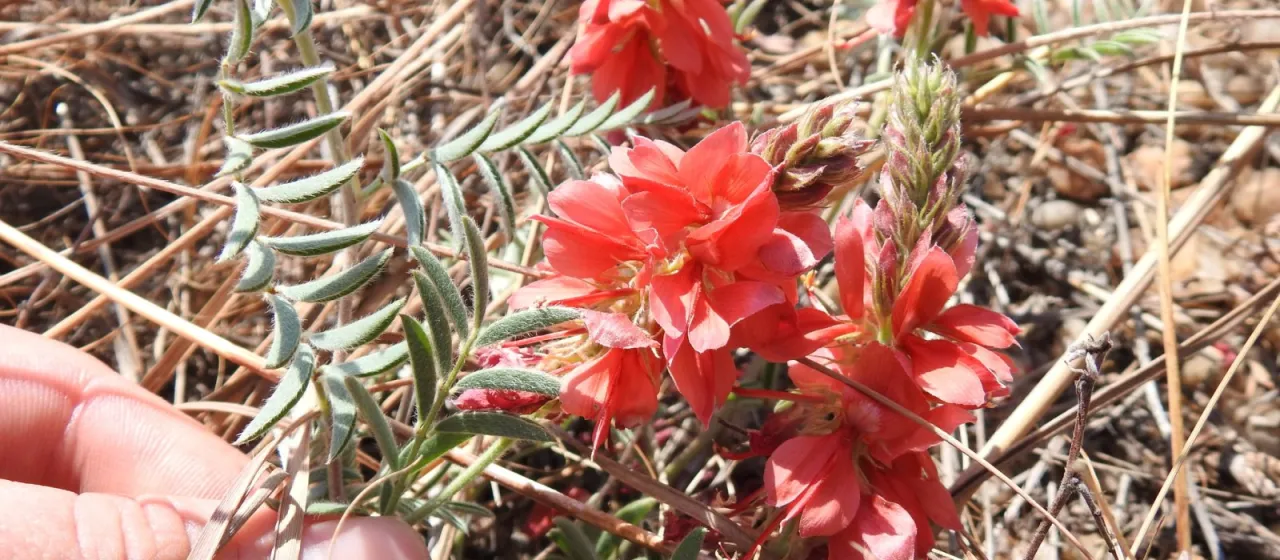
Botanically, this species is defined by its deep taproot system, which is highly efficient at extracting minerals and water from the lower layers of the soil. The foliage consists of compound, pinnate leaves, and the plant produces distinct raceme inflorescences during its flowering season. Its overall structure helps in maintaining soil integrity in varying landscapes.
Regarding cultivation requirements, Indigofera oxytropis prefers well-aerated, sandy-loam soils with good drainage. The crop is light-demanding, necessitating open, sunny locations for optimal growth. Agrotechnical practices focus on proper row spacing and weed control during the seedling stage to ensure the plant establishes itself successfully before competing vegetation emerges.
Economically, the crop is primarily utilized for forage production, as its biomass provides high-quality protein for livestock. Furthermore, its ability to stabilize loose soil makes it a perfect candidate for erosion control programs on slopes and degraded agricultural lands. Producers should watch for typical legume pests such as aphids and manage irrigation carefully to prevent root rot diseases, which occur in waterlogged conditions.