
Description
Indigofera parodiana is a perennial leguminous plant belonging to the Fabaceae family. Renowned for its resilience, this species has gained attention in agricultural research for its significant nitrogen-fixing capabilities and its ability to thrive in challenging soil conditions where common fodder crops might struggle to establish.
The plant originates from South America, with its primary distribution centered in parts of Argentina. It has evolved to survive in semi-arid environments characterized by unpredictable rainfall and intense sun exposure. This geographic heritage makes it highly suitable for cultivation in regions with similar semi-arid climates, where water scarcity is a primary limitation for agricultural productivity.
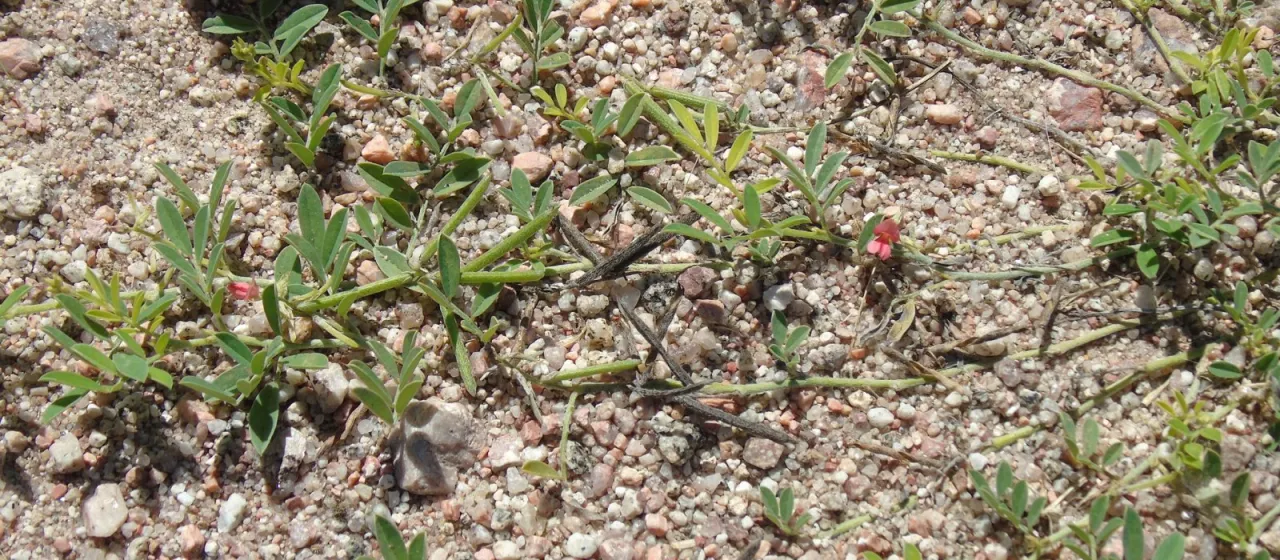
Botanically, this species is characterized by a robust root system that facilitates drought tolerance by tapping into deep soil moisture reserves. The foliage consists of compound, pinnate leaves, and the flowers are typically arranged in dense racemes. The fruits are pods that contain seeds capable of remaining dormant in the soil until optimal moisture conditions occur, which is a classic survival strategy for species adapted to arid landscapes.
Agronomic management of Indigofera parodiana requires well-drained soils, preferably sandy loams, as the plant is sensitive to waterlogging. It performs best under full sunlight and warm temperatures. In terms of field practice, farmers should prioritize site selection with low clay content and ensure weed control during the early stages of growth, as the initial establishment phase can be slow compared to fast-growing annual grasses.
The primary agricultural application for this plant is as a protein-rich forage source for livestock in semi-arid zones. Beyond its nutritional value, it serves as an excellent soil stabilizer due to its expansive root architecture. While generally hardy, the crop can be susceptible to fungal diseases during prolonged humid conditions and may be targeted by specific chewing insects that impact leaf biomass, necessitating integrated pest management strategies.
- Significant biological nitrogen fixation.
- Superior drought and heat tolerance.
- High potential for soil erosion control.
- Nutritious forage for ruminants.
- Adaptability to poor, nutrient-depleted soils.