
Description
Indigofera pilosa is a perennial herbaceous or semi-shrubby species belonging to the Fabaceae family. As a member of the diverse Indigofera genus, this plant is recognized for its ecological importance and its functional role as a nitrogen-fixing legume, which is vital for maintaining soil nitrogen levels in its native habitats.
The species is primarily native to tropical Africa, inhabiting savanna regions and grasslands. It is well-adapted to environments characterized by a distinct seasonality, specifically long dry periods followed by intense rainy seasons. Its distribution in agricultural landscapes is generally limited to tropical regions, where it serves as a valuable local resource.
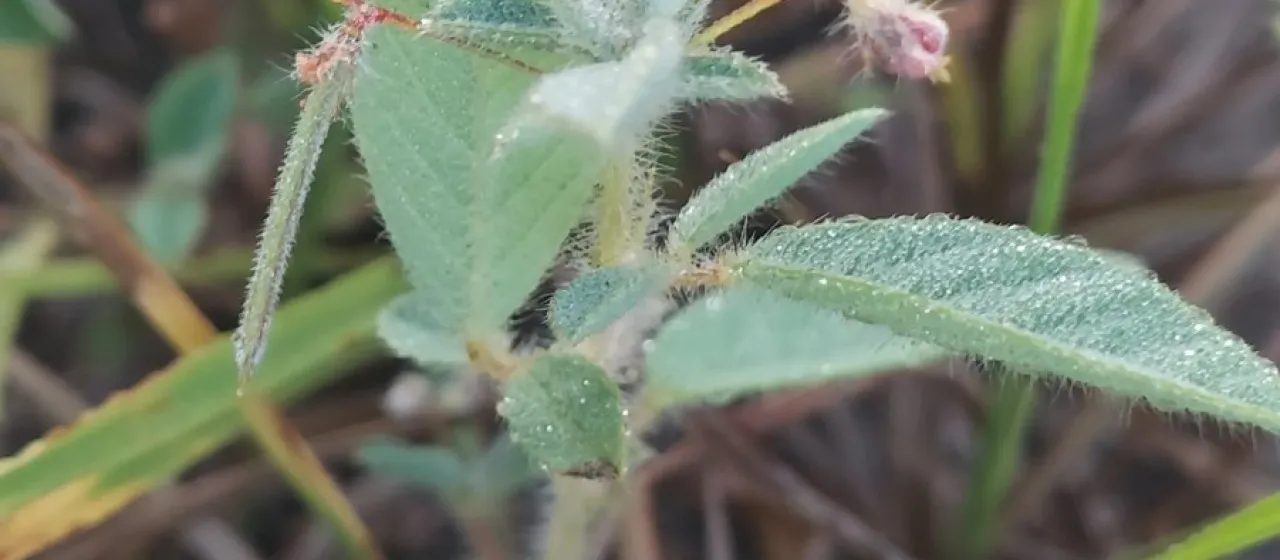
From a botanical perspective, Indigofera pilosa is distinguished by its pubescent (hairy) stems and foliage. It typically features compound, pinnate leaves and small, dense inflorescences with pink to purple flowers. The plant's architecture allows it to maximize photosynthetic efficiency in open, high-light environments while maintaining resilience against moderate water stress.
Agrotechnical requirements for cultivating this species focus on well-drained soil substrates. It thrives in various soil types, ranging from sandy loams to slightly acidic soils. For optimal growth, it requires an environment where solar exposure is consistent. During the early establishment phase, weed control is essential to prevent competitive exclusion of the young seedlings.
Economically, the plant is valued for several agricultural applications, primarily as a soil amendment or green manure. By fixing atmospheric nitrogen, it significantly enhances the fertility of impoverished soils. Additionally, it serves as a source of biomass for livestock forage, particularly in pastoral systems where nutritional diversification is required for ruminants.
Regarding health management, the plant is susceptible to common legume pathogens such as fungal leaf spots and root rots, particularly under conditions of poor soil aeration. Insect pests, including lepidopteran larvae and beetles, can cause localized damage. Integrated Pest Management (IPM) practices, such as crop rotation and spacing optimization, are recommended to maintain plant vigor.