
Description
Indigofera tomentosa, commonly known as woolly indigo, is a perennial shrub belonging to the Fabaceae family. This species is recognized for its ability to thrive in harsh environments and its capacity for biological nitrogen fixation, which significantly benefits soil quality. It is widely regarded as a specialized crop suitable for arid and semi-arid agricultural systems.
The plant originates from the arid regions of Africa and parts of Australia, where it has evolved to survive in nutrient-poor, dry environments. The natural habitat includes sandy dunes, rocky slopes, and open savannas. Given its tropical and subtropical origins, the cultivation range is strictly limited to frost-free regions, as the plant is highly sensitive to cold stress and cannot withstand freezing temperatures.
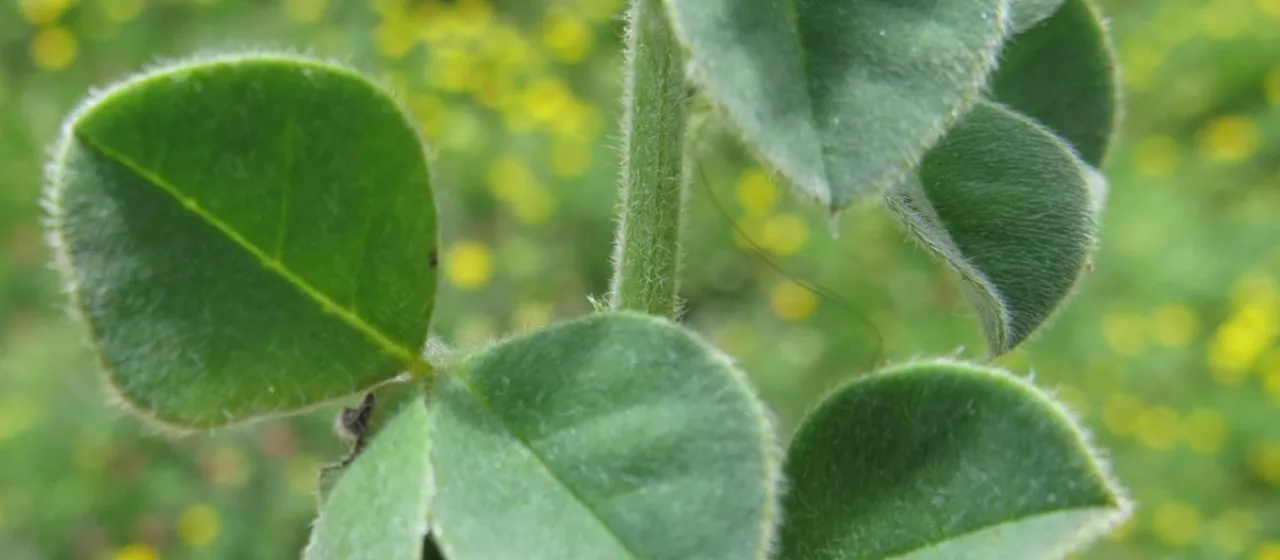
Botanically, this plant is an erect shrub, typically reaching a height of 0.5 to 1.5 meters. The species is named for the dense, woolly-like pubescence covering its stems and leaves, providing a distinct silvery-grey appearance. The leaves are compound and pinnate. The flowers are small, typical of the legume family, and usually appear in racemes with pinkish to purple hues, contributing to its ornamental potential.
Regarding agronomic requirements, Indigofera tomentosa is a typical xerophyte. It demands well-drained, sandy or gravelly soil types with low organic matter. Optimal cultivation relies on high sun exposure and minimal irrigation. Over-watering is the primary cause of failure in agricultural settings, as it leads to root rot and fungal infections. The plant is exceptionally drought-tolerant once established, requiring little intervention from the grower.
In terms of agricultural utility, this species serves several practical roles.
- Soil stabilization in sandy terrains
- Biological nitrogen fixation to improve soil fertility
- Forage production in areas where standard legumes fail
- Reclamation of degraded dryland soils