
Description
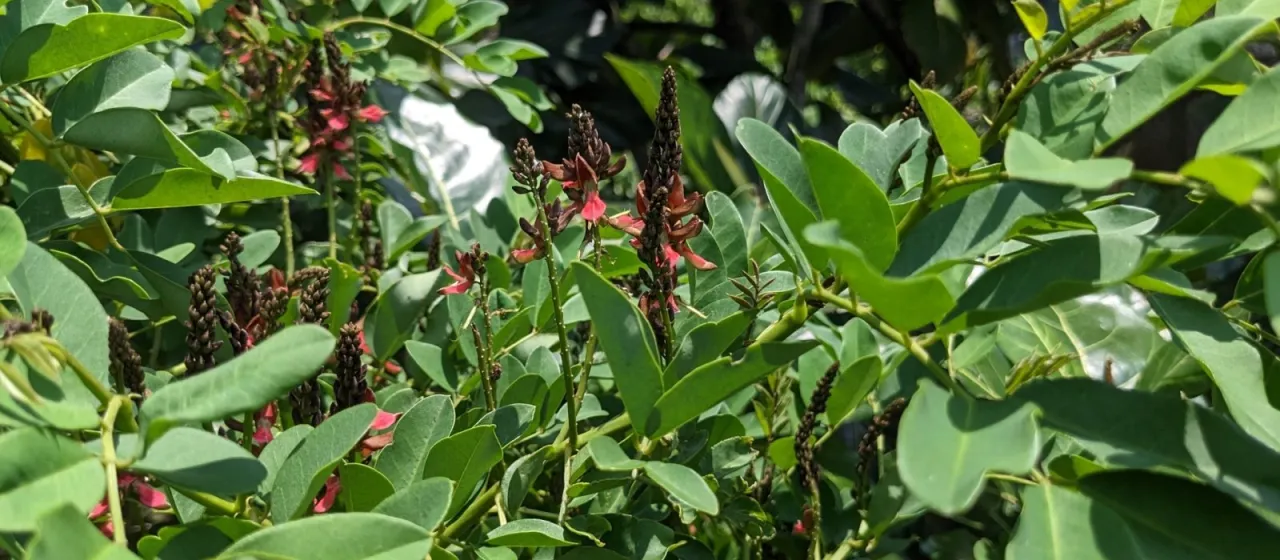
Indigofera zollingeriana is a perennial leguminous shrub or small tree belonging to the Fabaceae family. Recognized for its impressive biomass production and high nutritional value, this plant is increasingly integrated into tropical agricultural systems as a sustainable source of animal feed.
Native to Southeast Asia, this species thrives in tropical and subtropical regions. Its range of cultivation has expanded significantly as farmers seek alternatives to expensive imported protein sources for livestock. The plant is well-adapted to high temperatures and is highly valued for its resilience in warm environments.
Botanically, the plant features compound leaves and a robust root system capable of symbiotic nitrogen fixation, which contributes to soil health. Its rapid regrowth rate after harvesting is a key trait that allows for multiple cuttings throughout the year. The plant typically reaches heights of several meters if left unmanaged, but is usually kept as a pruned hedge for fodder production.
Regarding climate and soil, Indigofera zollingeriana requires well-drained soils and a sunny position. While it demonstrates moderate drought tolerance, it performs optimally under consistent rainfall. Agrotechnical management primarily involves structured pruning, which stimulates lateral growth and maximizes leaf yield, ensuring a consistent supply of nutritious green matter.
The primary agricultural use of this crop is in livestock nutrition, serving as a supplement for ruminants, poultry, and pigs. It is praised for its high crude protein content and amino acid profile. Producers must be vigilant against common agricultural threats, including leaf-eating insects and fungal pathogens that can proliferate in high-humidity conditions if the canopy is too dense.