
Description
Inga cylindrica is a woody plant species belonging to the Fabaceae family, specifically the Mimosoideae subfamily. It is a vital component of agroforestry systems in the tropical regions of South America, widely recognized for its rapid growth and ability to enhance soil quality through nitrogen fixation.
The origin of this species is traced to the humid tropical forests of South America. It is extensively cultivated throughout its native range, where it has been integrated into traditional farming practices, particularly for the shade it provides to commercial crops like coffee, cocoa, and tea.
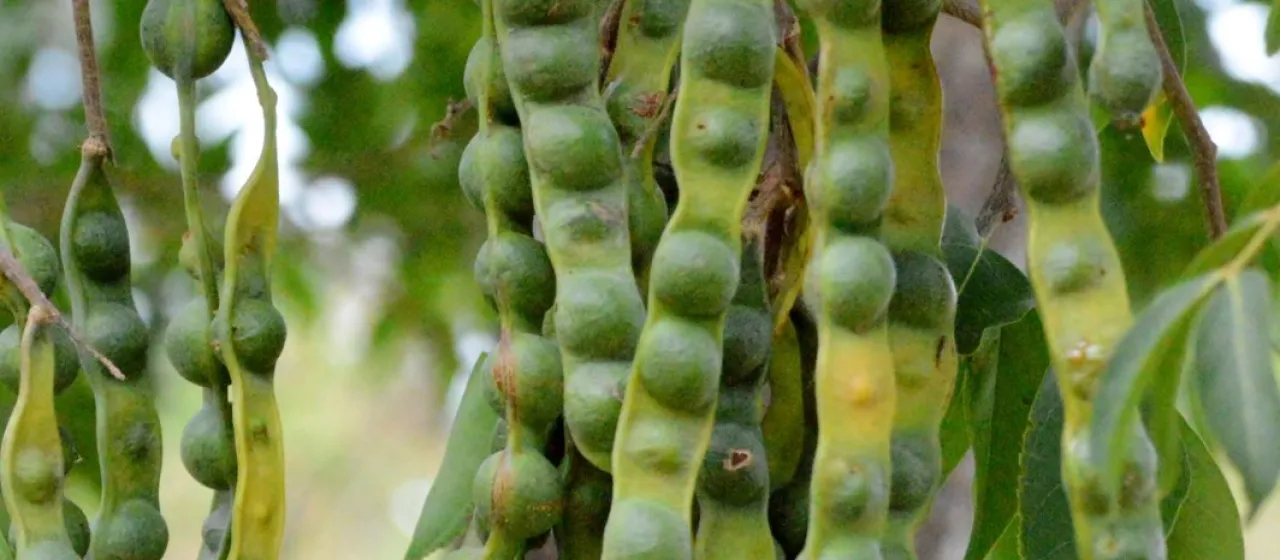
Botanically, the tree is identified by its pinnate leaves and distinctive long, cylindrical pods. These pods contain seeds embedded in a sweet, pulpy aril, which is a characteristic feature of the genus Inga. The tree serves as an essential habitat for numerous bird and insect species, contributing to local biodiversity.
Cultivation of Inga cylindrica requires a tropical climate with consistent moisture levels. The species thrives in deep, well-draining soils and is moderately tolerant of various soil pH levels. Agronomic management involves periodic pruning, which not only controls the tree's size but also provides organic matter to the soil through leaf mulching.
Economic and agricultural utility includes:
- Serving as a shade tree in multi-strata plantation systems.
- Providing green manure to improve soil fertility via nitrogen deposition.
- Reducing soil erosion on sloping terrains through its robust root system.
- Supplying firewood for local communities and timber for light construction.
The tree is generally hardy, though it may be susceptible to fungal pathogens affecting the foliage during excessively rainy seasons. Pest management focuses on monitoring for seed-boring insects, which can reduce the viability of the pods if not managed through appropriate cultural practices.