
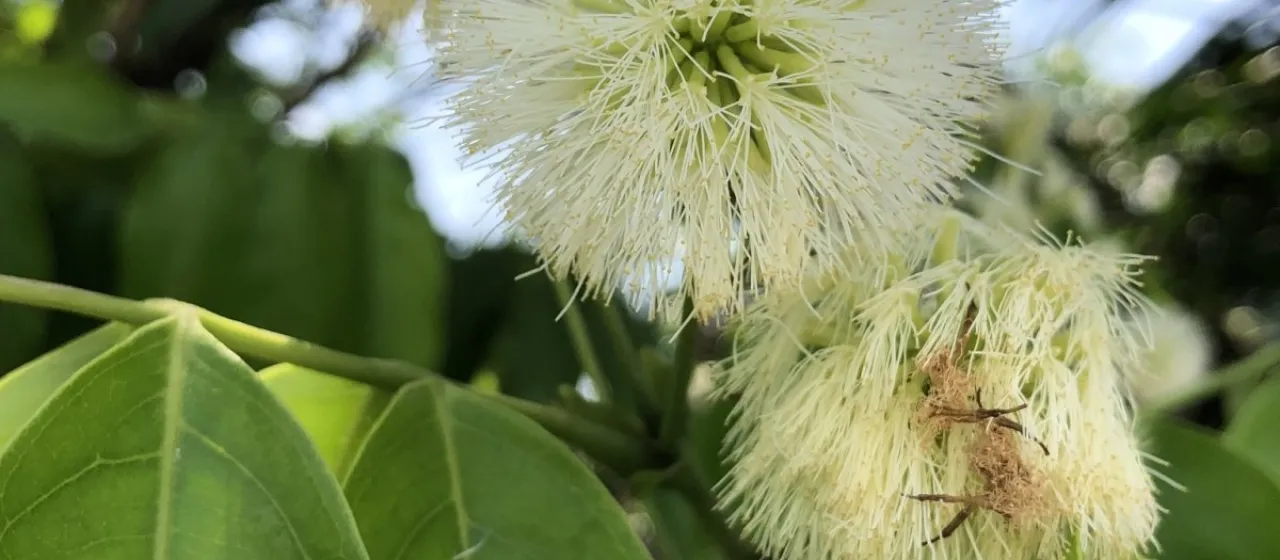
Description
Inga jinicuil is a significant tropical tree belonging to the Fabaceae family. Known primarily for its agroforestry value, it serves as a powerful nitrogen-fixer, helping to restore soil fertility in degraded tropical lands. Its rapid growth and expansive canopy make it a highly regarded species in sustainable farming practices, particularly in Latin America.
The native range of this species spans the humid tropical regions of Mexico and Central America. It thrives in rainforest environments, demonstrating high adaptability to various altitudes. Because of its ecological resilience, the tree has become a staple in coffee and cacao plantations, where it serves as a vital shade tree, regulating light and temperature for more sensitive crops.
Botanically, the tree exhibits a robust structure, often growing to heights of 15 meters. The leaves are pinnately compound, providing dense shade throughout the year. The distinctive fruit, a long pod reaching up to 40 centimeters, houses numerous black seeds embedded in a sweet, cottony pulp. This pulp is edible, noted for its pleasant, mild vanilla-like sweetness, making it a popular local snack.
Successful cultivation requires a climate that remains warm and humid throughout the year. While the tree shows tolerance to varying soil conditions, including somewhat acidic and depleted soils, it performs best in deep, well-draining substrates. Young trees require careful management of water, but once established, they develop sufficient drought resistance, making them reliable components of managed ecosystems.
Key agricultural and economic applications include:
- Shade management: Providing a protective canopy for shade-grown coffee and cacao.
- Soil enrichment: Adding significant amounts of nitrogen to the soil via leaf litter.
- Fruit production: Serving as an accessible source of nutritious snacks for local communities.
- Erosion control: Stabilizing steep terrain through a deep, extensive root system.
Common agricultural challenges involve fungal pathogens affecting the roots during prolonged waterlogging and various insect pests that may compromise pod development. Integrated pest management, focusing on proper spacing to ensure airflow and the prompt removal of diseased debris, is essential for maintaining the health of the trees and ensuring consistent yields.