
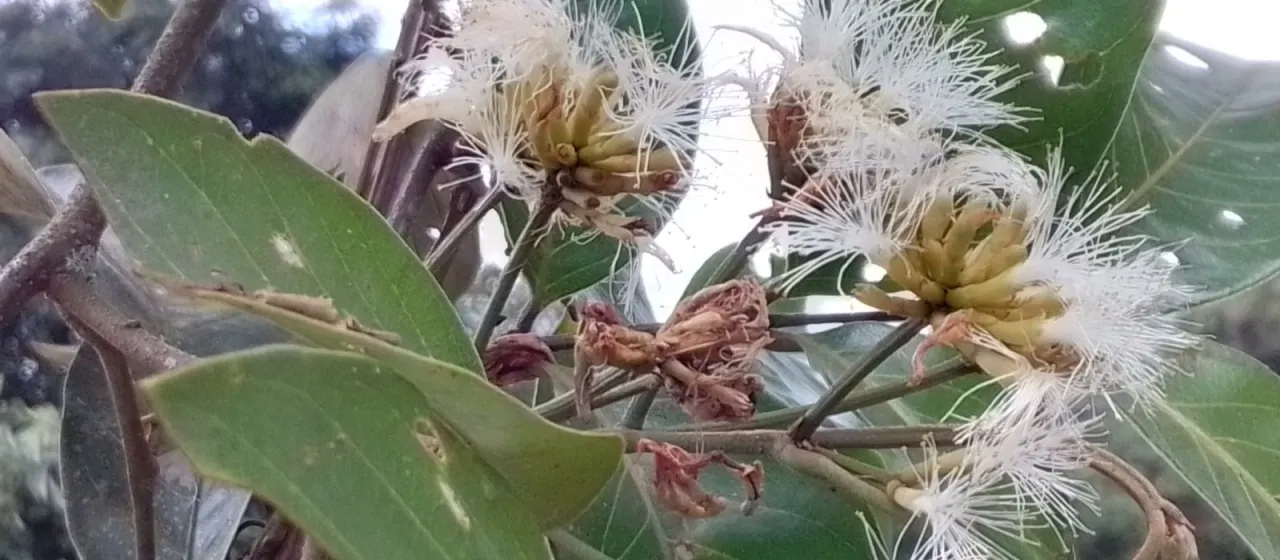
Description
Inga punctata is a prominent species within the Fabaceae family, recognized for its exceptional role in nitrogen fixation and agroforestry. This tree is native to the humid tropical regions of Central and South America, where it thrives as a vital component of local ecosystems and agricultural landscapes.
Botanically, it is an evergreen tree characterized by a broad, spreading canopy and distinctive pinnate leaves. The flowers are generally white and fragrant, attracting various pollinators. The fruit consists of long, pod-like structures containing seeds surrounded by a sweet, edible pulp, which is widely appreciated in the regions where it grows.
From an agronomical perspective, Inga punctata demands a warm and humid climate with consistent rainfall throughout the year. It exhibits remarkable adaptability to various soil types, including acidic and nutrient-poor tropical soils, making it an excellent candidate for land reclamation and reforestation projects in degraded areas.
Agricultural management primarily focuses on its ability to produce high levels of biomass. Through regular pruning, farmers can utilize the foliage as a nutrient-rich mulch. This practice effectively suppresses weed growth, prevents soil erosion, and significantly improves soil structure, providing a sustainable alternative to chemical fertilizers.
Beyond its ecological benefits, the tree provides valuable shade for understory crops like coffee and cocoa. The dense canopy creates a microclimate that protects delicate crops from harsh direct sunlight and keeps the soil cool. Furthermore, the wood is utilized as a source of fuel and for light construction purposes by local communities.
Like any agricultural crop, it is subject to certain biological threats that require monitoring:
- Defoliating caterpillars that feed on tender leaves.
- Weevil larvae that infest the developing seed pods.
- Fungal root pathogens occurring in waterlogged conditions.
- Scale insects that impact the vitality of young stems.