
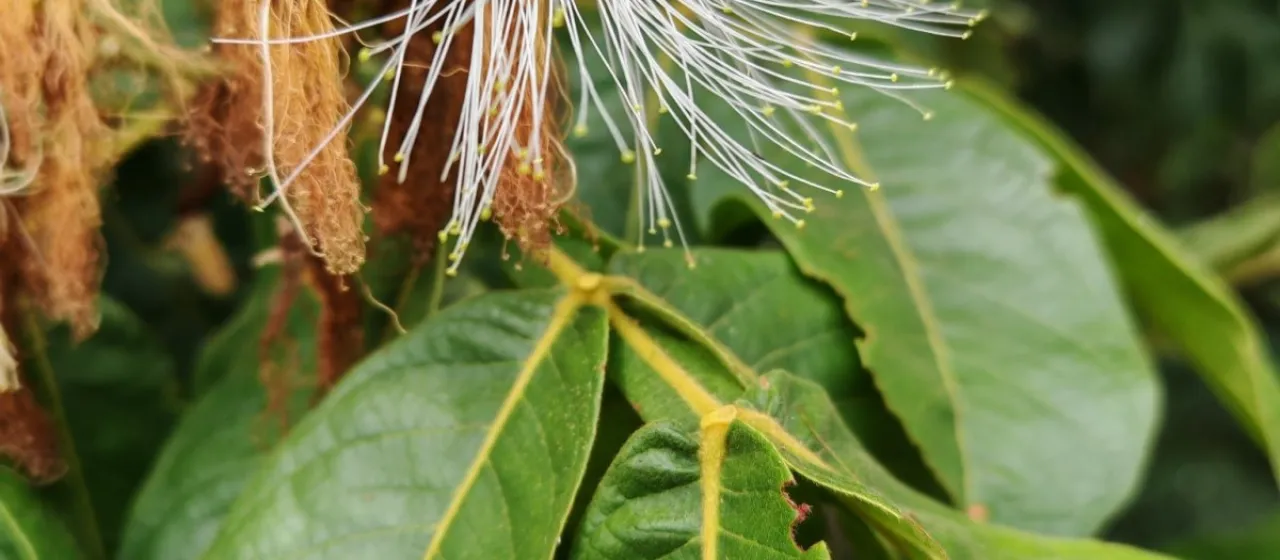
Description
Inga vera is a prominent species within the Fabaceae (legume) family, widely utilized in tropical agriculture for its exceptional ecological and economic benefits. Known for its rapid growth and dense canopy, this tree serves as a fundamental component in sustainable agroforestry systems globally.
Originating from the tropical regions of Central and South America, the species thrives in diverse environmental conditions. Its natural habitat includes humid forests and transitional zones, where it demonstrates remarkable adaptability to various soil types, ranging from well-drained volcanic soils to more acidic clay substrates.
Botanically, the tree is characterized by its large, compound pinnate leaves and distinctive long, pod-like fruits. Inside these pods, the seeds are enveloped in a white, sweet, pulp that is edible and popular in local markets. The tree also produces showy flowers that serve as an important source of nectar for bees and other pollinators.
The agronomic requirements for Inga vera involve maintaining adequate soil moisture, particularly during the establishment phase, and ensuring the trees have sufficient space for root development. As a nitrogen-fixing legume, the tree naturally improves soil fertility by sequestering atmospheric nitrogen, thereby reducing the dependency on synthetic chemical fertilizers.
The practical applications of this species in agriculture are vast:
- Providing shade for shade-grown crops like coffee and cacao.
- Producing edible pods utilized as a local food source.
- Serving as an effective windbreak to protect sensitive crops.
- Utilizing foliage as organic mulch to enhance soil structure and nutrient content.
Pest and disease management includes regular monitoring for common tropical leaf-eating insects and ensuring proper drainage to prevent root rot caused by fungal pathogens. Strategic pruning is highly recommended to maintain tree health, optimize light penetration, and ensure the continuous production of biomass for soil improvement.