
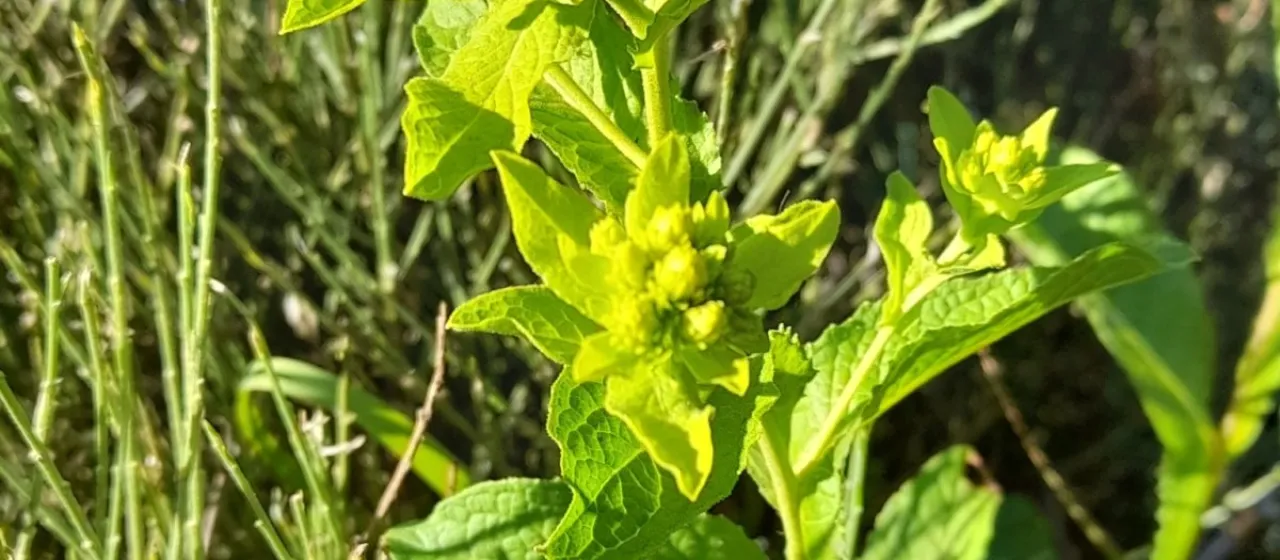
Description
Two-leaved inula (Inula bifrons) is a perennial herbaceous plant belonging to the Asteraceae family. In agricultural and botanical circles, this species is noted for its resilience and potential applications in herbal medicine and landscape gardening. The plant is characterized by a robust root system and an upright growth habit, making it suitable for various environmental conditions.
The native range of this species is centered in the mountain regions of Southern Europe. It thrives in temperate climates and is well-adapted to habitats that provide sufficient sunlight and proper drainage. Historically, it has been observed in rocky meadows and mountain slopes, which dictates its preference for well-aerated soil types when brought into cultivation.
Botanically, Inula bifrons is distinguished by its distinct foliage and bright yellow flower heads, which bloom during the late summer season. These blossoms are highly attractive to pollinators, reinforcing the plant's value in agricultural ecosystems that benefit from insect-driven biodiversity. The plant maintains its structural integrity throughout the growing season.
Agricultural requirements focus on providing well-drained soil and ensuring adequate spacing between plants to prevent humidity-related issues. It is a drought-tolerant species once established, but young plants require regular monitoring for moisture levels. Crop management practices should emphasize weeding and the avoidance of chemical over-fertilization, as the species is sensitive to nitrogen toxicity.
The economic utility of the species covers several specific fields:
- Extraction of bioactive compounds for pharmacological use.
- Integration into sustainable landscape designs and xeriscaping.
- Support for local honey production due to its late-season nectar supply.
Common plant health challenges include root rot caused by stagnant moisture and powdery mildew, which can develop in poorly ventilated environments. Integrated pest management, including the use of beneficial insects and proper spacing, is recommended to mitigate risks. Keeping the soil surface dry and well-cultivated helps prevent the onset of common fungal pathogens.