
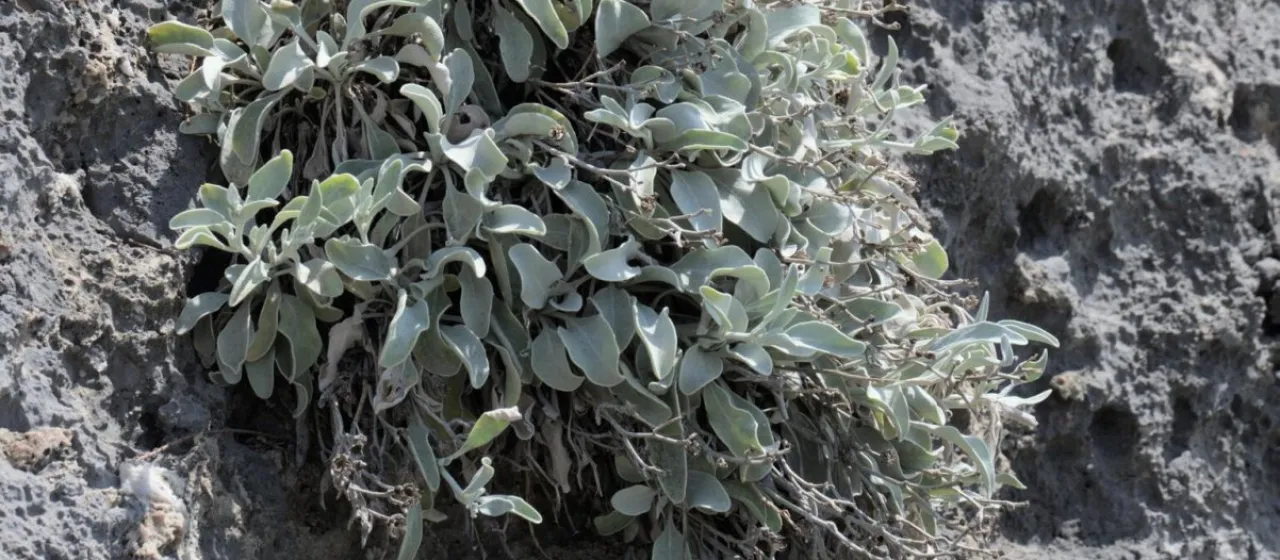
Description
Inula candida is a perennial herbaceous plant belonging to the Asteraceae family. This species is recognized for its distinctive silver-white foliage and its adaptability to harsh Mediterranean environments, where it serves as both a botanical interest and a potential niche agricultural crop.
The plant is native to the Eastern Mediterranean, particularly the rocky habitats of Greece. It is naturally adapted to regions characterized by hot, dry summers and mild, rainy winters. This evolutionary history makes it an excellent candidate for low-maintenance cultivation in arid or semi-arid climates.
Botanically, it is a subshrub that grows in low mounds. Its leaves are covered in dense, woolly hairs (pubescence), which significantly reduce water loss through transpiration and reflect excessive sunlight. The bright yellow, daisy-like flowers appear in late spring and summer, creating a vibrant display.
In terms of agricultural requirements, Inula candida demands well-drained, alkaline to neutral soils. It thrives in poor soil conditions, meaning it does not require heavy fertilization. Irrigation should be minimal after the establishment phase; excessive water is a primary cause of failure, as it promotes root rot and fungal colonization.
Economic and utility applications include:
- Ornamental horticulture for rock gardens and xeriscaping.
- Extraction of essential oils and secondary metabolites for the pharmaceutical industry.
- Environmental conservation, specifically for soil stabilization on steep, eroded slopes.
- Support for local pollinator populations, such as bees and butterflies.
Plant health management is focused on preventing moisture-related issues. Common pests include aphids and spider mites, which typically thrive in stagnant air conditions. Farmers should prioritize spacing and air circulation to mitigate the risk of fungal infections and ensure the longevity of the plant stand.