
Description
Inula magnifica, commonly referred to as the giant inula, is a robust perennial plant species belonging to the Asteraceae family. In agricultural and horticultural contexts, it is highly regarded for its impressive physical stature, hardiness, and its significant concentration of bioactive compounds in its rhizomes, making it a valuable crop for the medicinal herb industry.
Native to the mountainous regions of the Caucasus, this plant thrives in moist, high-altitude meadows and forest borders. Its ability to adapt to diverse environments has allowed it to be successfully cultivated across various temperate zones. The plant is characterized by its adaptability, ease of propagation, and long-term viability once established in suitable soil conditions.
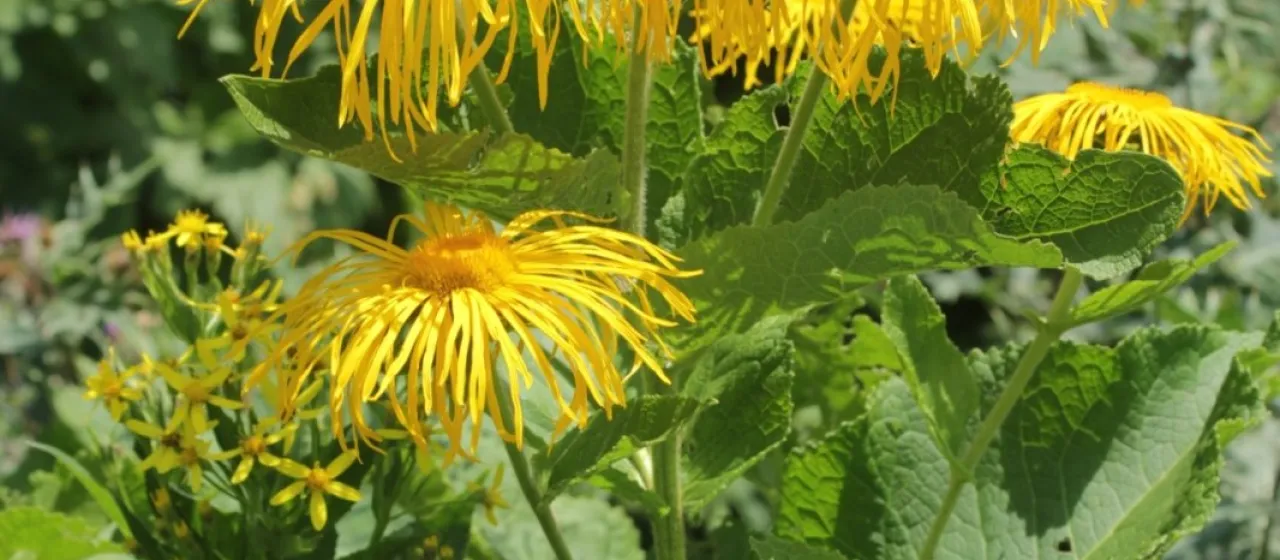
Botanically, Inula magnifica features strong, erect stems that can reach heights of over two meters, adorned with large, leathery leaves and striking golden-yellow flower heads. The root system is thick and fleshy, which is the primary part harvested for its medicinal properties. The plant exhibits a vigorous growth habit and possesses high winter hardiness, allowing it to survive extreme temperature fluctuations.
Successful cultivation requires deep, fertile, well-drained loam soils. Agronomic practices focus on thorough soil preparation, which is crucial for the development of its heavy root system. Maintenance involves routine inter-row cultivation, weeding during the establishment phase, and moderate fertilization. Regular irrigation is necessary during the peak of the growing season to ensure optimal vegetative mass.
Economically, the crop is primarily utilized in pharmacology, where the roots are processed to extract inulin, essential oils, and bitter compounds, known for their therapeutic benefits. Farmers must be vigilant against pests like aphids and spider mites, as well as soil-borne pathogens that cause root rot, especially in poorly drained areas. Effective management ensures high-quality yields for the pharmaceutical market.