
Description
Iodes ovalis is a perennial woody climber belonging to the Icacinaceae family. As a typical liana, it utilizes trees as natural supports to reach the canopy, allowing it to compete for sunlight in the dense environment of its native tropical habitats.
The plant originates from the tropical regions of Southeast Asia. Its distribution is strictly limited to ecosystems with high humidity, stable warm temperatures throughout the year, and nutrient-rich forest soils. These environmental conditions are essential for the physiological processes and vegetative development of this species.
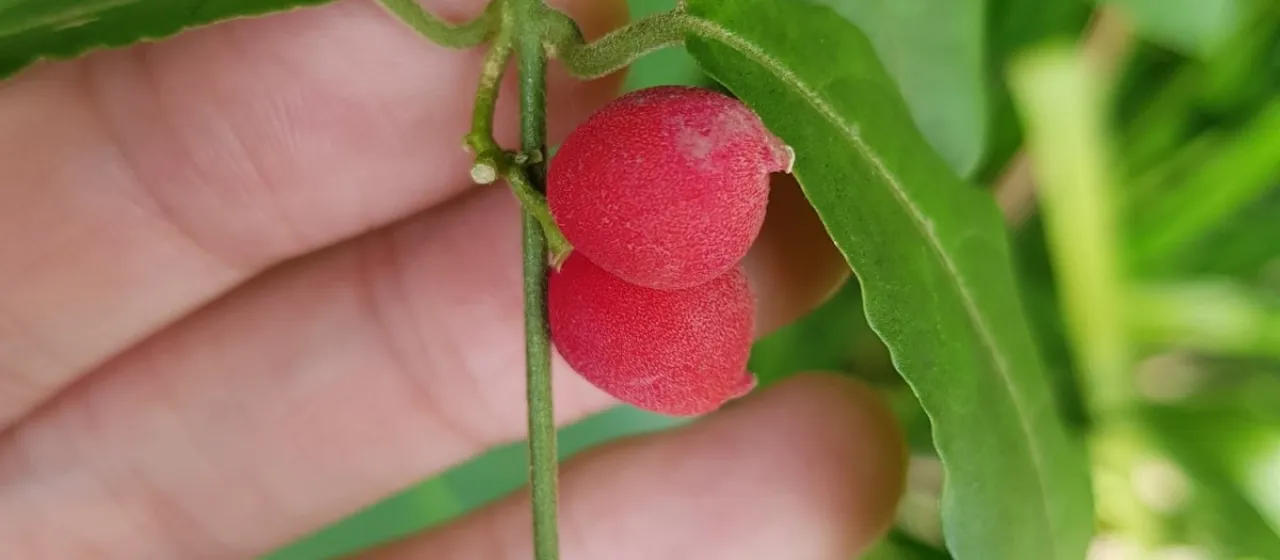
Botanically, Iodes ovalis is characterized by its oval-shaped foliage and high-tensile stems, which are typical adaptations for climbing plants. The reproductive cycle involves small flowers followed by drupe-like fruits. The morphology of the leaves and the structural integrity of the vines make it a unique specimen within the Icacinaceae family.
In terms of agronomy and cultivation, the plant requires consistent tropical conditions. It thrives in well-draining, humus-rich soil and cannot tolerate frost or prolonged drought. Proper agricultural management involves the installation of artificial trellises to mimic natural forest structures and maintain airflow around the foliage to prevent damp-related pathogens.
The primary utility of Iodes ovalis lies in ethnobotanical studies and pharmaceutical research. Scientific interest is focused on identifying bioactive compounds within its vegetative tissues. While not a conventional commercial crop, its conservation and study are crucial for understanding the potential applications of secondary metabolites found in tropical flora.
- Family: Icacinaceae
- Growth habit: Climbing vine
- Climatic requirements: Tropical (high humidity/heat)
- Soil preference: Humus-rich, well-draining
- Primary use: Medicinal research, botanical collections