
Description
Iodina rhombifolia is an evergreen shrub or small tree belonging to the Santalaceae family. As the only species in its genus, it holds a unique taxonomic position and represents a significant botanical interest due to its distinct evolutionary adaptations within its ecosystem.
Native to the regions of South America, including Argentina, Uruguay, and Brazil, this plant is well-adapted to the specific climatic conditions of these territories. It typically thrives in open forests and diverse landscapes, demonstrating high resilience to varying environmental pressures.
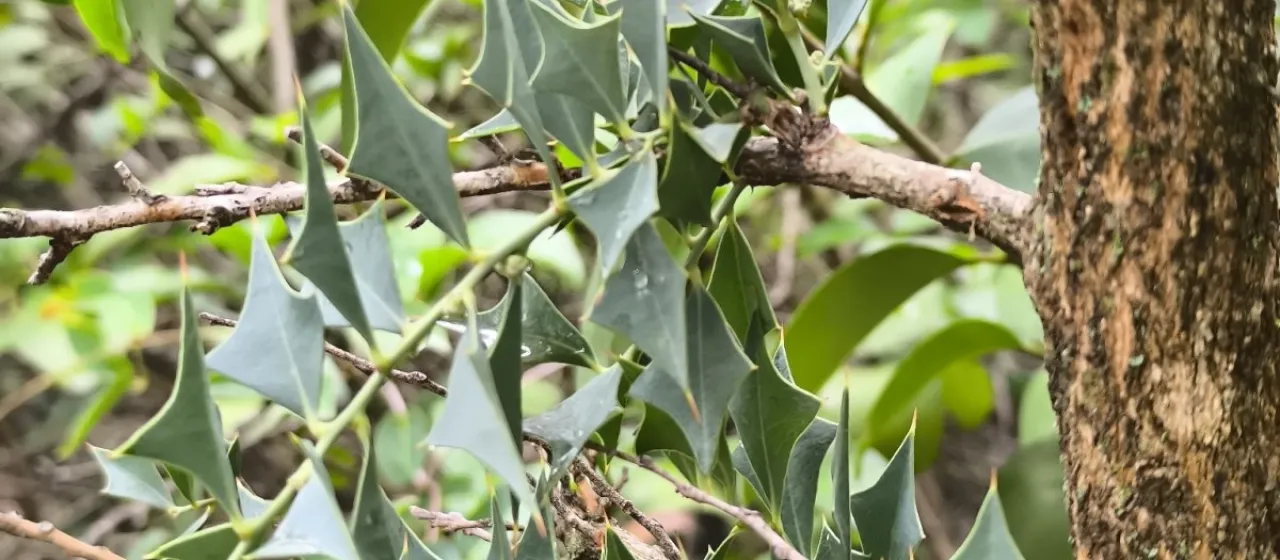
Botanically, it is characterized by its stiff, rhomboid-shaped leaves with spiny margins, which serve as a natural defense mechanism. The plant features small, inconspicuous flowers and produces small drupes. Its root system is particularly adept at nutrient acquisition, reflecting the biological nature of the Santalaceae family.
Cultivation requirements for this species include well-draining soil and exposure to sufficient sunlight. It is essential to manage moisture levels carefully, as the plant is susceptible to root decay if waterlogged. Maintaining a balanced soil pH is crucial for long-term health and consistent growth, particularly in managed environments.
The plant has historical significance in traditional medicine, where extracts from the leaves and bark have been utilized for various therapeutic purposes. Furthermore, it is valued in horticulture for its durability and unique ornamental foliage, making it a viable candidate for sustainable landscaping in regions with suitable climates.
- High tolerance for periodic drought conditions
- Requires well-drained, nutrient-poor to moderate soils
- Minimal risk from common pests when grown in open air
- Requires space for root system expansion