
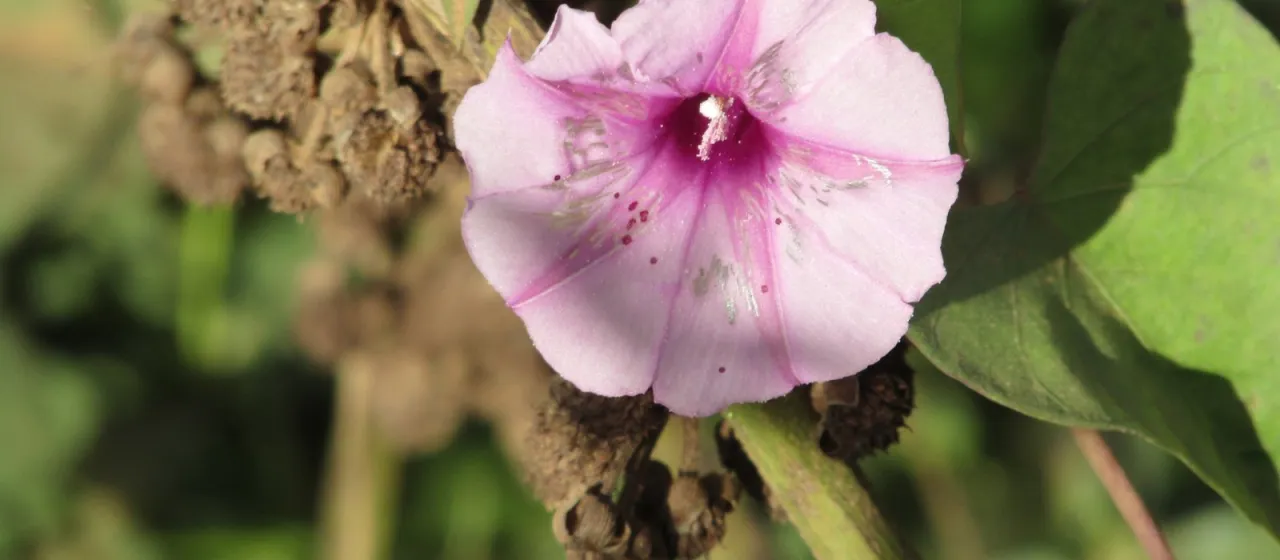
Description
Ipomoea acanthocarpa is a herbaceous climbing plant belonging to the Convolvulaceae family. Within the agricultural sector, this plant is primarily recognized as a persistent weed species, capable of causing significant yield losses in various cropping systems due to its aggressive growth habits and competitive nature.
The origin of Ipomoea acanthocarpa is rooted in North America, where it has historically established itself in disturbed habitats and agricultural landscapes. Its range typically includes regions with temperate to warm climates, where it can capitalize on the availability of nutrients and water provided for commercial crops.
Botanically, this plant is characterized by its vining stems, heart-shaped leaves, and typical morning glory funnel-shaped flowers. The specific epithet "acanthocarpa" refers to the thorny or prickly appendages found on the fruit capsule. These specialized structures are an evolutionary adaptation that facilitates seed dispersal via physical attachment to animals or equipment.
The plant thrives in fertile, well-draining soils with adequate sunlight and heat. Agronomic management involves a combination of cultural and chemical strategies. Because it acts as an invasive weed in fields, maintaining crop row hygiene and utilizing appropriate pre-emergent and post-emergent herbicides are critical to preventing uncontrolled infestations during the growing season.
Economically, Ipomoea acanthocarpa is regarded as a significant nuisance in farming. By competing for resources and physically strangling crop plants, it directly reduces the quality and quantity of the harvest. Integrated Pest Management (IPM) programs are essential to mitigating the damage caused by this species and maintaining the viability of agricultural production zones.
- Rapid vegetative proliferation.
- High competitive index against field crops.
- Effective long-distance seed dispersal mechanisms.