
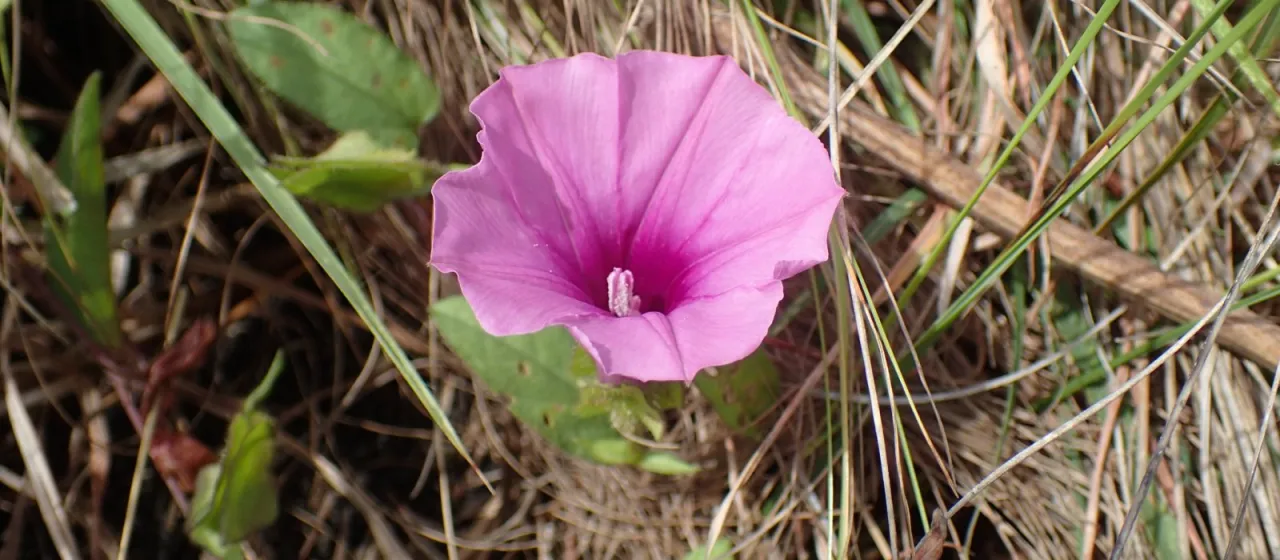
Description
Ipomoea crassipes is a perennial herbaceous plant belonging to the Convolvulaceae family. It is distinguished by its thickened, tuberous root system, which serves as a vital adaptation to survive in its native harsh environments. The plant is botanically recognized for its robust growth habit and distinct foliage structure.
The plant originates from the southern regions of Africa, where it thrives in grasslands and rocky outcrops. It has evolved to survive in climatic zones characterized by seasonal drought and varying precipitation levels, making it a resilient species for specific agricultural and horticultural applications.
Botanically, Ipomoea crassipes features semi-prostrate to erect stems and broad leaves. The flowers exhibit the characteristic funnel shape of the genus, typically appearing during the warmer months. These morphological traits are optimized for rapid growth during the rainy season and conservation of resources during periods of stress.
To successfully cultivate this species, well-draining, sandy or loamy soils are essential. The plant demands full solar exposure to flourish and maintain its metabolic processes. Agronomic practices should focus on preventing waterlogging, as the species is highly susceptible to root decay if the substrate remains saturated for extended periods.
The primary directions for economic and practical use include:
- Xeriscape landscaping in arid regions.
- Erosion control in sloping or degraded land areas.
- Research into drought-tolerant genetic traits within the Convolvulaceae family.
- Restoration ecology of native habitats in South African ecosystems.
Regarding pest and disease management, the crop is occasionally affected by aphids and spider mites, particularly under greenhouse conditions. Root-infecting fungi represent the most significant threat to crop health. Effective disease control relies on adequate spacing, precise irrigation management, and the use of targeted systemic treatments when infestations occur.