
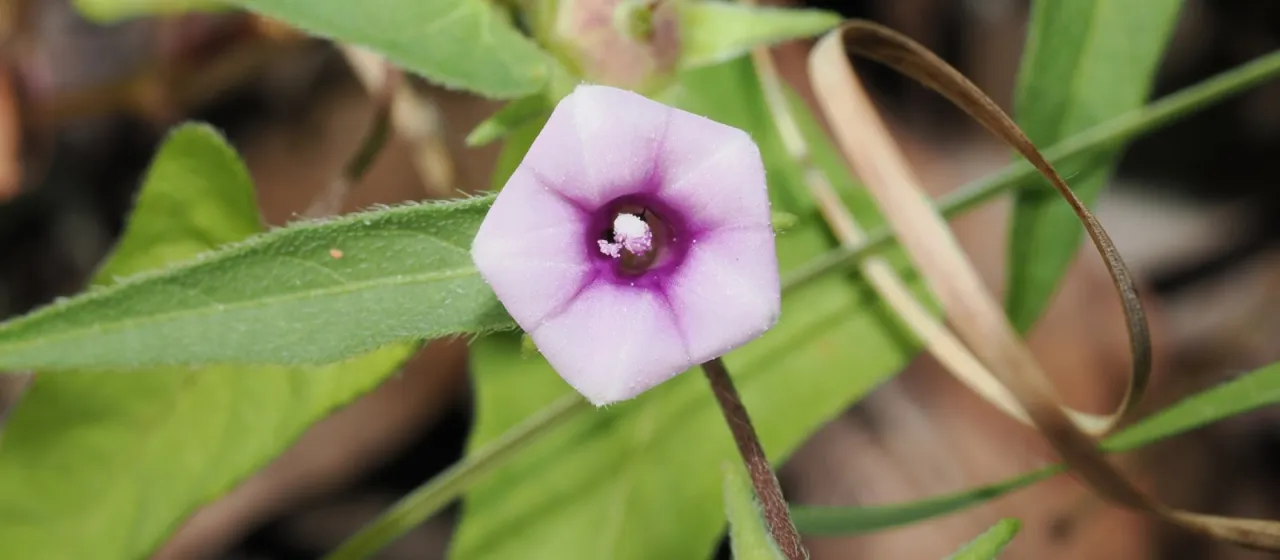
Description
Ipomoea eriocarpa is a herbaceous annual plant belonging to the Convolvulaceae family. Known for its trailing or climbing habit, this species is widely distributed across tropical and subtropical zones in Africa, Asia, and Australia. It is a resilient organism that has adapted to various habitats, ranging from agricultural fields to wild grasslands, often demonstrating an impressive growth rate in favorable environmental conditions.
The geographic origin of the plant is linked to tropical regions, which explains its requirement for warm temperatures and moderate to high humidity. It is typically found in environments where light competition is fierce, utilizing its vine-like structure to reach sunlight. While not widely cultivated as a primary commercial crop, it is recognized for its biological robustness and potential utility in local agricultural systems.
Botanically, the plant is distinguished by its cordate leaves and pale, trumpet-shaped flowers. A defining feature is its hairy (eriocarpous) fruit capsule, which contains small, resilient seeds. The root system is relatively shallow but highly effective at nutrient absorption, allowing the plant to thrive even in soils that are not strictly managed or heavily fertilized.
In terms of agricultural requirements, Ipomoea eriocarpa prefers well-drained loamy soils and requires consistent moisture during its initial growth stages. The plant is sensitive to frost, which limits its range in temperate climates. Proper field management is crucial; if left unchecked, the plant can become highly competitive, acting as a weed that requires mechanical or chemical intervention in high-value cropping systems.
The economic and practical utilization of this species includes:
- Utilizing the biomass as a supplementary forage source for livestock in tropical areas.
- Scientific study of its medicinal properties, often linked to traditional herbal practices.
- Potential use in ground cover management to protect soil from moisture loss.
The plant is susceptible to common garden diseases, including powdery mildew and various fungal leaf spots, especially in poor ventilation settings. Insect pests such as aphids and leaf-eating beetles often target the succulent parts of the plant. Farmers dealing with this species usually implement integrated pest management (IPM) strategies to balance its presence as a potential resource with its impact on primary crops.