
Description
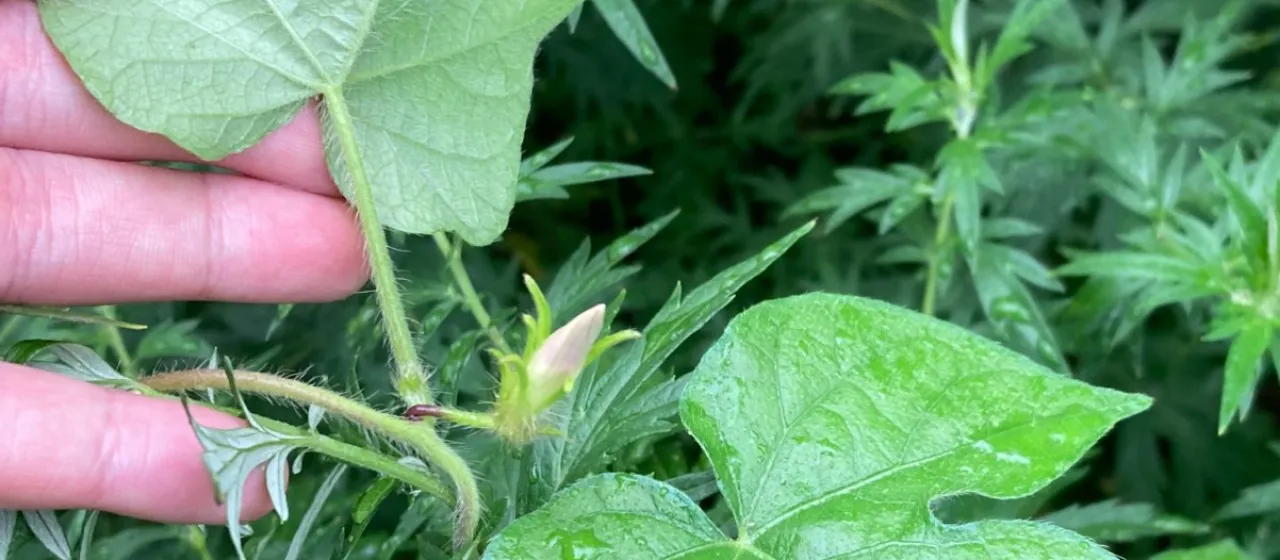
The Ivy-leaved morning glory (Ipomoea hederacea) is a climbing plant species within the Convolvulaceae family. In agricultural contexts, it is primarily recognized as a persistent weed that invades cultivated fields, though it is also acknowledged in gardening for its rapid growth and ornamental potential as a climbing vine.
Originating from tropical America, the species has spread across numerous temperate and tropical regions worldwide. It is highly adaptable and thrives in warm climates, often naturalizing in agricultural landscapes, roadsides, and disturbed areas where it can outcompete native or planted species for sunlight and resources.
Botanically, the plant is characterized by its distinctively lobed leaves, which resemble those of ivy, and its slender, twining stems that can reach significant heights given proper support. The flowers are typically trumpet-shaped and vary in color, appearing in shades of blue, purple, and white, making them a distinctive feature of the vegetation.
The plant requires ample sunlight and well-drained soil to thrive. In terms of agronomy, it is considered a pest in cropping systems due to its long germination period and ability to emerge throughout the season. Successful management often requires a combination of pre-emergence and post-emergence herbicide applications alongside mechanical cultivation in early stages.
Regarding health and maintenance, the species is susceptible to various biotic stressors that affect the morning glory family. Common concerns for agricultural managers include:
- Infection by fungal pathogens such as white rust or powdery mildew.
- Infestation by various lepidopteran larvae and aphids.
- Persistence of the soil seed bank, which necessitates long-term rotation strategies.