
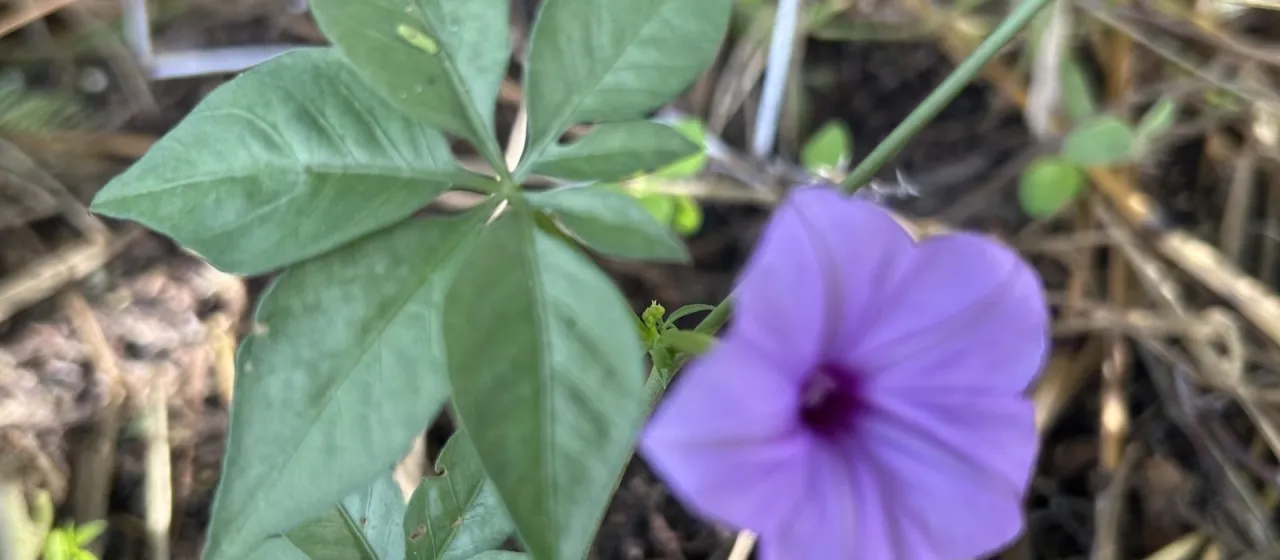
Description
Ipomoea hochstetteri is a herbaceous climbing plant belonging to the Convolvulaceae family. Within agricultural and botanical contexts, this species is noted for its vigorous growth and ability to thrive in tropical environments, often serving as a significant component of local flora where it can influence soil cover and ecosystem stability.
The species originates from tropical Africa and parts of the Arabian Peninsula. Its natural distribution is largely concentrated in savanna-like ecosystems and disturbed terrains. Due to its evolutionary history, the plant has developed a high resilience to fluctuating moisture levels and is capable of colonizing large areas rapidly during favorable seasons.
Botanically, Ipomoea hochstetteri is recognized by its twining stems, alternate leaves, and distinct funnel-shaped flowers. The plant exhibits a prostrate or climbing habit, depending on the availability of support structures. Its physiological adaptations allow it to maximize nutrient uptake from the soil during brief periods of high moisture, supporting rapid development of its vegetative biomass.
Agricultural requirements for this species focus on well-drained soil and high levels of solar exposure. It is sensitive to soil compaction and waterlogging, preferring substrates that allow for effective gas exchange at the root level. In an agronomic setting, maintaining optimal planting density is crucial to ensure that plants receive sufficient light and air circulation to prevent excessive humidity around the foliage.
Economic and agricultural utility includes:
- Soil stabilization in erosion-prone areas.
- Potential as a ground cover to suppress weed growth.
- Utilization in research regarding wild plant biomass potential.
- Usage in ecological restoration projects for arid zones.
In terms of plant health, Ipomoea hochstetteri is susceptible to common foliage diseases, particularly leaf spots caused by fungal pathogens under humid conditions. Pests such as aphids and leaf-eating beetles can also impede development. Integrated pest management, focusing on early detection and maintaining plant vigor, remains the standard approach for ensuring healthy crop or population growth.