
Description
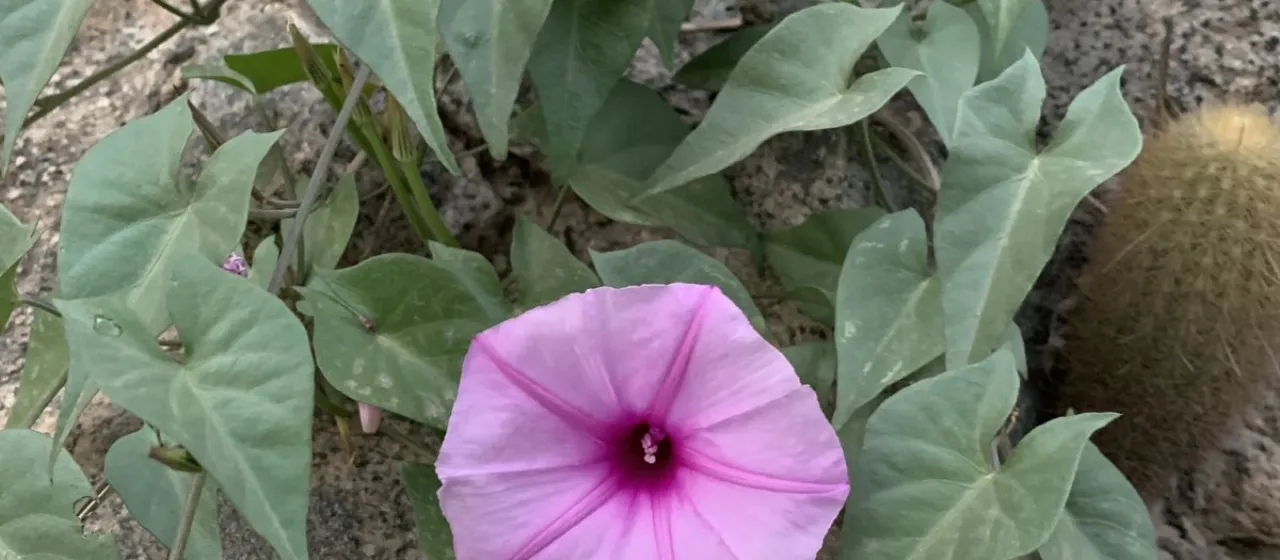
Pink bindweed (Ipomoea incarnata) is a herbaceous perennial vine belonging to the morning glory family, Convolvulaceae. It is highly regarded in horticulture for its rapid vertical growth and its attractive, funnel-shaped flowers that display shades of pink, rose, or occasionally pale purple, providing a lush appearance to any trellis or fence.
The species is native to North and Central American regions, typically thriving in sun-drenched meadows, riverbanks, and open scrublands. Its range has expanded through horticultural use, and it is now grown in various climates, although it performs best in regions with long, warm growing seasons where it can express its full vegetative potential.
Botanically, the plant is characterized by twining stems, alternate heart-shaped foliage, and a robust root system. The species displays a specific phenology with rapid biomass accumulation during the summer months. The flowers, which typically open during the day, attract a diverse range of pollinators, and the plant produces seed capsules that are essential for reproduction and propagation in managed environments.
Successful cultivation of this climber requires well-draining, fertile soil with a neutral pH. It is a sun-loving plant that demands full exposure to direct sunlight for optimal development. While it is relatively resilient, it requires consistent moisture during periods of intense heat. Poor soil drainage or heavy clay conditions should be avoided to prevent root rot and other moisture-related pathogens.
- Selection of a site with full sun exposure.
- Installation of sturdy vertical supports or trellises.
- Balanced fertilization to promote leafy growth.
- Regular inspection for common pests and leaf pathogens.
Economically, its primary use is in ornamental landscaping, where it serves as a solution for screening fences, covering pergolas, and increasing biodiversity in garden environments. Growers should monitor for common challenges such as aphids, spider mites, and fungal leaf spots, which can diminish the aesthetic value of the plant if not managed through proper sanitation and integrated pest control strategies.