
Description
Ipomoea indivisa is an annual herbaceous climbing plant belonging to the Convolvulaceae family. It is highly regarded by gardeners for its rapid growth rate and its ability to quickly cover fences, trellises, and other garden structures with lush foliage and delicate, trumpet-shaped flowers.
The species originates from the tropical regions of Central and South America. In its native habitat, it thrives in warm, humid climates. When cultivated in non-tropical regions, it is treated as a warm-season annual, requiring a long, frost-free period to reach its full development potential.
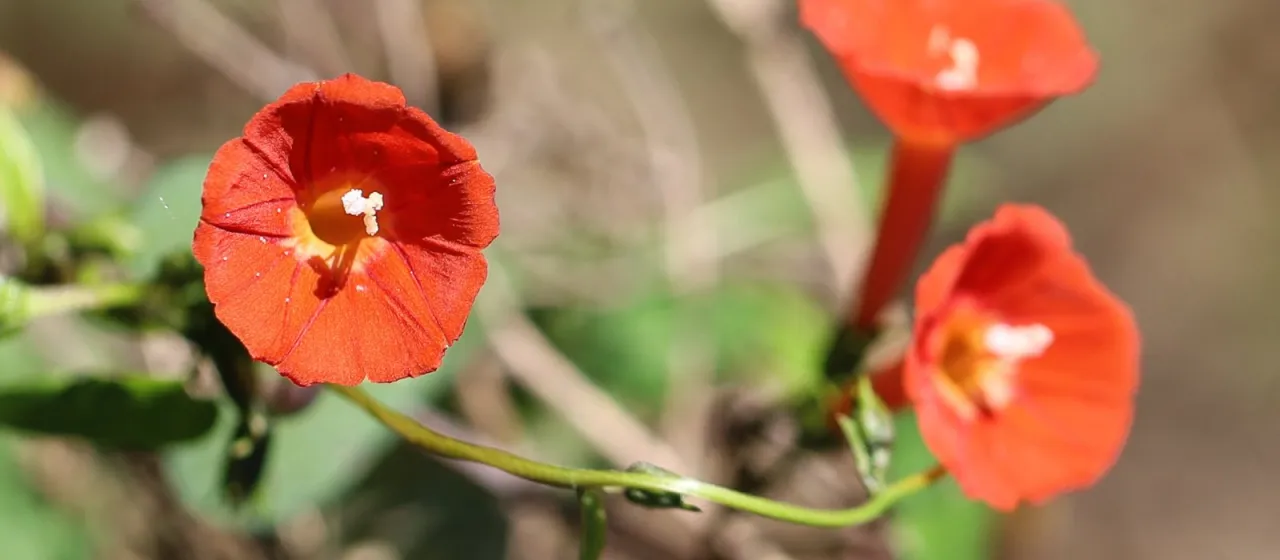
Botanically, Ipomoea indivisa is characterized by thin, flexible twining stems and alternate, entire leaves that typically have a heart-shaped appearance. The flowers emerge from the leaf axils, displaying a characteristic funnel shape that is synonymous with the wider morning glory group.
Cultivation requires a site with full sun exposure and fertile, well-drained soil. As a climbing plant, it is essential to provide adequate physical support during the early stages of growth to prevent stems from tangling on the ground, which can increase the risk of humidity-related rot.
- Sun exposure: Needs at least 6-8 hours of direct sunlight daily.
- Soil requirements: Loamy, nutrient-rich soil with neutral pH.
- Watering: Consistent moisture; avoid waterlogging the roots.
- Support: Trellises, wires, or netting are necessary for vertical growth.
- Feeding: Balanced liquid fertilizer applied periodically during the growing season.
In landscape design, this plant is used primarily for ornamental screening and vertical interest. It is susceptible to common garden pests such as aphids and spider mites, and in overly humid conditions, it may develop fungal issues like powdery mildew. Regular inspection and appropriate horticultural hygiene are recommended to maintain plant health.