
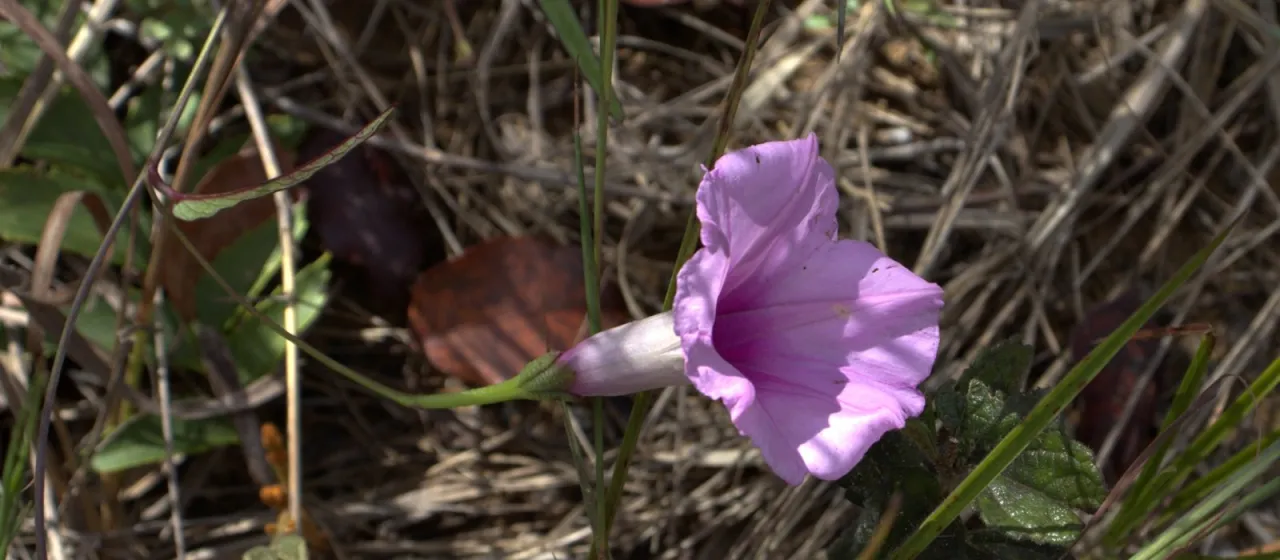
Description
Ipomoea kunthiana is a herbaceous climbing plant belonging to the Convolvulaceae family. This perennial species is recognized for its rapid growth rate, characterized by lush, heart-shaped foliage and a climbing habit that allows it to effectively cover vertical structures in its natural habitat.
The plant originates from the tropical regions of Central and South America. Throughout its evolutionary development, it has adapted to warm, humid environments, making it highly dependent on consistent temperatures and adequate moisture levels. In cultivation, it is primarily found in tropical and subtropical regions where it is utilized for both ornamental purposes and botanical study.
Botanically, the species is defined by its flexible stems and funnel-shaped flowers that bloom in response to specific photoperiodic and temperature conditions. Its root system is relatively shallow yet vigorous, necessitating a nutrient-rich and well-draining growing medium to support its rapid development and continuous production of foliage throughout the growing season.
Agronomic requirements emphasize the need for high light intensity and protection from frost, as the plant is sensitive to cold stress. Soil health is paramount; the substrate must allow for excellent drainage to prevent waterlogging, which is a primary cause of physiological stress in this species. During the active growth phase, supplemental feeding is recommended to maintain the plant's structural integrity.
The primary use of Ipomoea kunthiana is decorative, often employed in vertical garden designs and trellised landscaping. However, growers must be vigilant against common health issues associated with the Convolvulaceae family:
- Powdery mildew in high-humidity conditions.
- Root rot caused by poorly drained soil or excessive irrigation.
- Pests such as aphids and spider mites that frequently infest the tender apical shoots.